

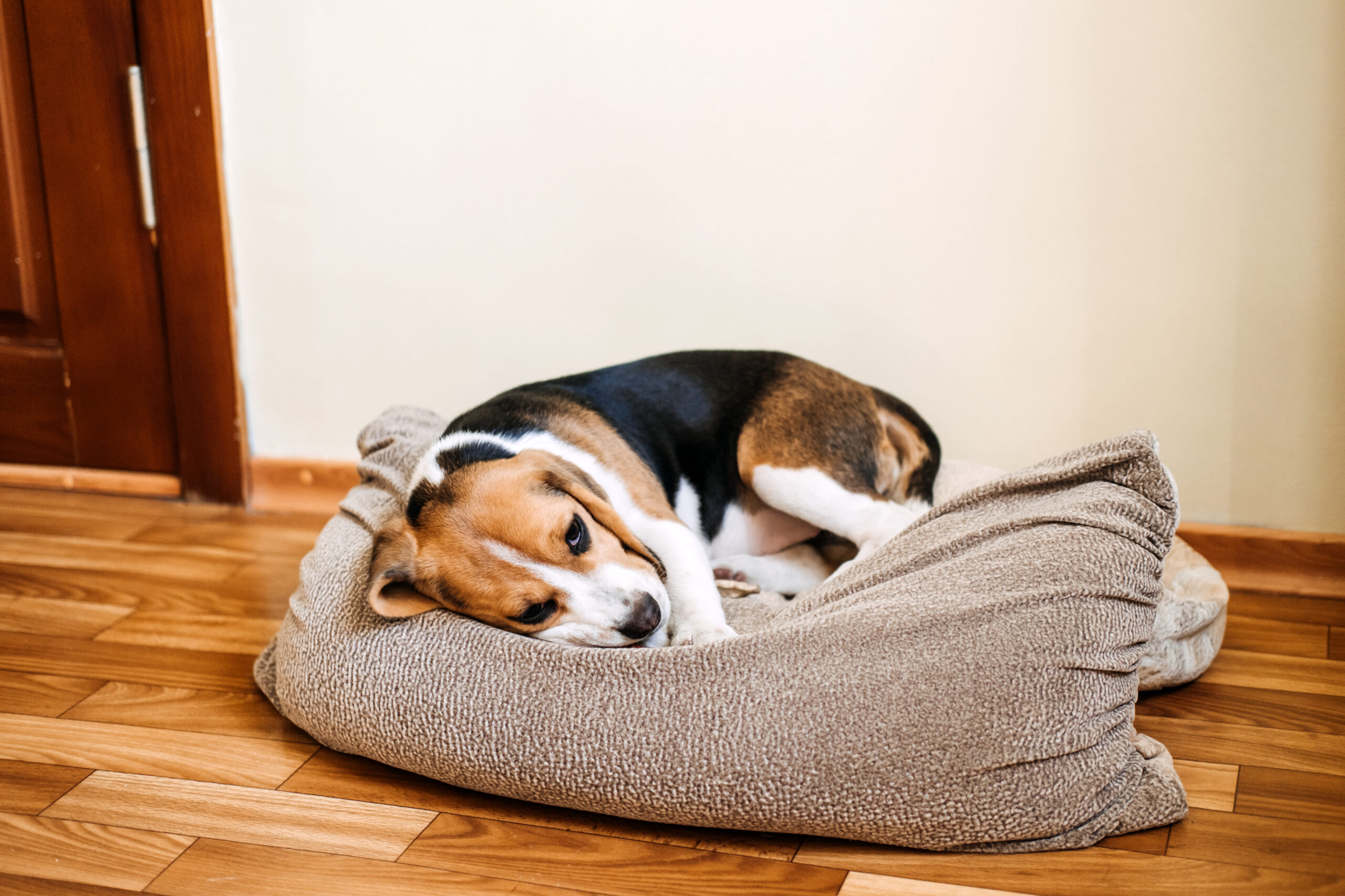
Diarrhea happens to nearly every pet at some point, but knowing when loose stool needs veterinary attention can make all the difference in your companion’s health and comfort. While many cases resolve on their own within a day or two, certain warning signs indicate your pet needs professional care right away.
At Mountain View Animal Hospital & Holistic Pet Care, we combine conventional veterinary medicine with integrative therapies to effectively address digestive issues. Our team helps you determine whether your pet needs immediate care or can be safely monitored at home, providing guidance and treatment when your pet needs it most.
Common Causes of Diarrhea in Pets
Veterinarians classify diarrhea as either acute, involving episodes lasting fewer than 14 days, or chronic, which persists beyond two weeks or occurs intermittently over several weeks.
estive upset can stem from many sources. A simple dietary error, such as getting into the trash or eating something unusual during a walk, often causes brief episodes of diarrhea. Sudden food changes, stress from travel or environmental shifts, and intestinal parasites also frequently trigger loose stool.
More serious causes include viral or bacterial infections, inflammatory bowel disease, pancreatitis, and exposure to toxins. Sometimes diarrhea signals problems beyond the digestive tract, such as kidney disease, liver dysfunction, or hormonal imbalances. This wide range of possibilities makes professional evaluation important when symptoms persist or worsen.
Red Flags That Need Immediate Attention
Certain signs indicate that your pet needs veterinary care quickly. Watch for the following warning signals:
- Blood in the stool or black, tarry diarrhea
- Profuse, watery diarrhea producing large volumes
- Vomiting along with diarrhea
- Complete loss of appetite or refusal to drink water
- Lethargy, weakness, or inability to stand
- Abdominal pain or distension
- Diarrhea lasting more than 48-72 hours
Pets showing lethargy, refusing food, producing black or tarry diarrhea, experiencing vomiting, or having symptoms lasting beyond 48-72 hours require veterinary evaluation, as these signs often indicate more than simple digestive upset.
When Your Pet’s Digestive System Needs Support
Feline patients and canines may show different tolerances to digestive issues. Young pets and senior companions tend to be more vulnerable to complications from diarrhea. Their systems have less reserve, making dehydration and nutrient loss more dangerous.
If your pet seems otherwise healthy and alert, has just one or two episodes of soft stool, and continues eating and drinking normally, you might safely monitor them at home for 24 hours. However, any decline in their condition or persistence of symptoms warrants a veterinary visit.
Our wellness and preventative care approach includes regular check-ups to catch potential digestive issues before they become emergencies. Regular veterinary visits help establish your pet’s normal baseline, making it easier to spot when something is wrong.
Understanding Dehydration Risks
Diarrhea pulls water from your pet’s body faster than they can replace it through drinking. When combined with vomiting, fluid loss accelerates dramatically. Dehydration strains the kidneys, disrupts electrolyte balance, and can lead to organ failure if left untreated.
Signs of dehydration include sunken eyes, dry gums, decreased skin elasticity, and reduced energy. Young puppies and kittens, senior pets, and those with underlying health conditions face the highest risk. If you suspect dehydration, contact your veterinarian immediately rather than attempting home treatment.
Severe cases may require hospitalization for intravenous fluid therapy and monitoring. Early intervention prevents complications and helps your pet recover more quickly. Our integrative approach combines conventional medicine with Holistic therapies to support your pet’s digestive health.
Trust Your Instincts About Your Pet’s Health
You know your companion better than anyone. If something feels wrong, it probably is. Never hesitate to reach out when you’re concerned about changes in your pet’s health or behavior. Early evaluation often leads to simpler treatment and better outcomes than waiting until symptoms worsen.
Some pets are stoic and hide discomfort well, especially feline patients. Subtle changes in activity level, appetite, or litter box habits may be the only signs they’re not feeling well. Pay attention to these quiet signals.
AAHA-Accredited Care at Mountain View Animal Hospital & Holistic Pet Care
When your pet faces digestive troubles, our team provides comprehensive evaluation and treatment options. As an AAHA-accredited hospital, we maintain the highest standards of veterinary care while incorporating holistic therapies to support your pet’s natural healing.
At Mountain View Animal Hospital & Holistic Pet Care, we believe in joint decision-making between pet owners and veterinarians. Our doctors take time to explain what’s happening with your pet and discuss all available treatment options. From diagnostic testing to supportive care, we create individualized treatment plans based on your pet’s specific needs. Don’t wait when you notice concerning signs. Contact us right away so we can help your companion feel better.



Leave A Comment