

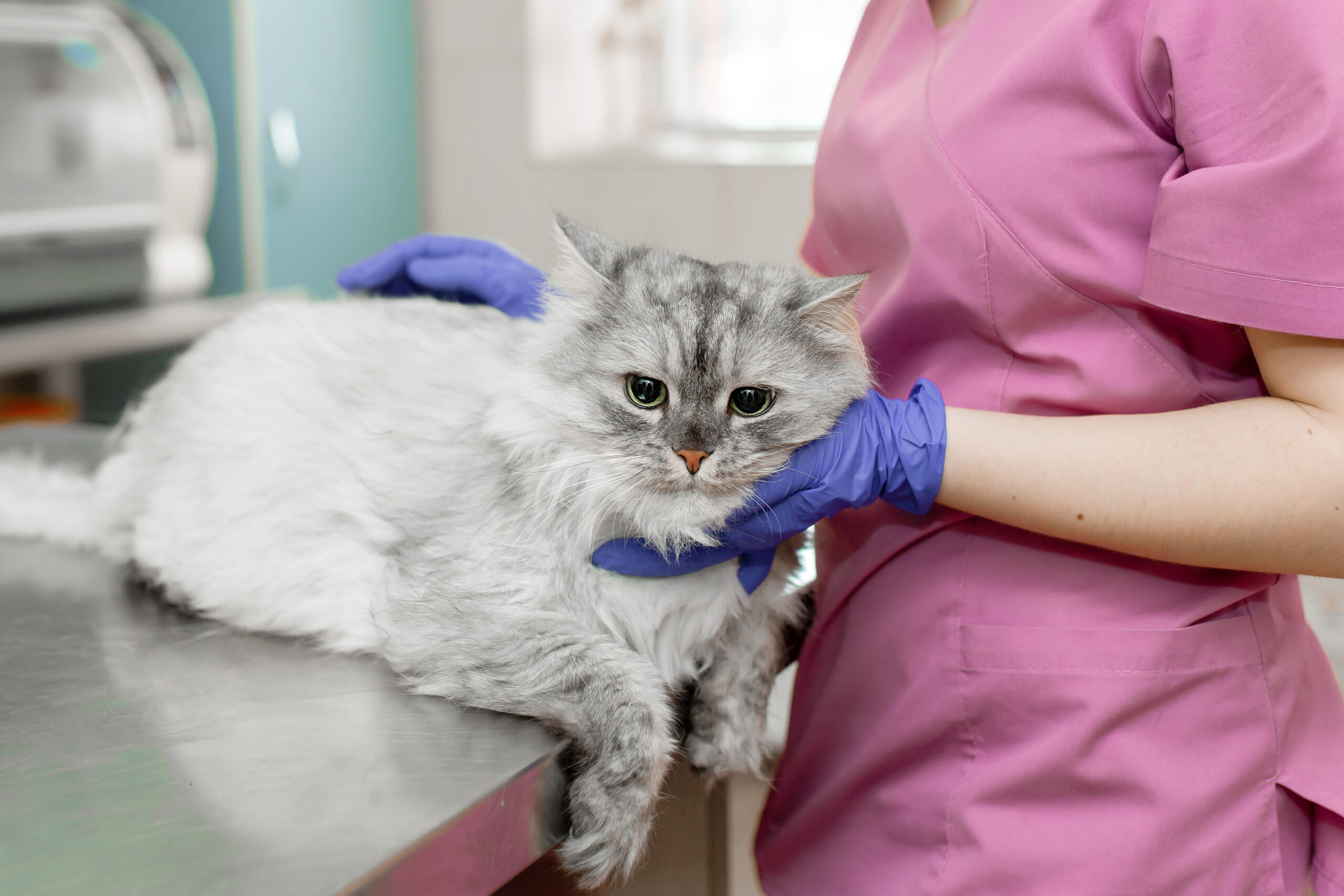
When your pet starts vomiting repeatedly, the clock begins ticking on a potentially serious complication: dehydration. While the vomiting itself may alarm you, the fluid loss happening with each episode can quickly escalate into a medical emergency. Your pet’s body depends on a delicate balance of water and electrolytes to function properly, and vomiting disrupts this balance faster than most owners realize.
At Mountain View Animal Hospital & Holistic Pet Care, we help pet owners understand the serious risks dehydration poses to vomiting pets. Our integrative approach combines conventional veterinary medicine with Holistic care options, giving your pet the urgent support they need during illness.
How Vomiting Leads to Rapid Dehydration
Vomiting removes fluid from your pet’s body at an alarming rate. Each time your dog or cat vomits, they lose not just the contents of their stomach but also vital fluids and electrolytes. The situation becomes even more concerning when vomiting continues over several hours or days.
Your pet’s body can’t replace these fluids as quickly as they’re being lost. Typically, dogs require at least one ounce of water per day for each pound of body weight to maintain proper hydration. Cats have similar needs but naturally possess a lower thirst drive.
Normally, pets maintain hydration through drinking water and eating food with moisture content. When vomiting makes them feel nauseous, they often refuse to drink, creating a dangerous cycle. The more they vomit, the more dehydrated they become, and the worse they feel, making them less likely to drink.
Feline patients are particularly vulnerable to dehydration. Cats naturally have a lower thirst drive than dogs, and many don’t drink enough water even when healthy. When illness strikes, this tendency becomes life-threatening.
Warning Signs Your Vomiting Pet Needs Immediate Care
Recognizing dehydration early can make the difference between a quick recovery and a serious medical crisis. Your pet’s body will show you several telltale signs when fluid levels drop too low.
Check your pet’s gums by gently lifting their lip. Healthy gums should feel moist and slippery. Dry, sticky gums indicate dehydration has already begun. The capillary refill time also matters. Press your finger against your pet’s gum until it turns white, then release. The pink color should return within two seconds. A slower return suggests poor circulation from dehydration.
The skin test provides another quick assessment. Gently pinch the skin between your pet’s shoulder blades and release it. Well-hydrated skin snaps back immediately. If the skin stays tented or returns slowly, your pet has lost significant fluid. Other concerning signs include:
- Sunken, dry-looking eyes
- Lethargy or weakness
- Decreased urination or dark-colored urine
- Rapid heart rate or breathing
If you notice any of these symptoms alongside vomiting, your pet needs veterinary attention right away. Don’t wait to see if they improve on their own. Urgent care becomes necessary when dehydration symptoms appear.
Why Dehydration Becomes Life-Threatening
Dehydration doesn’t just make your pet feel awful; it can also be dangerous. It actively damages their body systems in ways you can’t see from the outside.
When fluid levels drop, your pet’s blood becomes thicker and harder to pump. Their heart must work overtime to circulate this concentrated blood through their body. Meanwhile, their kidneys struggle to filter waste products without adequate fluid. This can lead to kidney damage or even kidney failure if dehydration persists.
Your pet’s organs depend on proper blood flow to receive oxygen and nutrients. Severe dehydration reduces circulation to critical organs, potentially causing permanent damage. The brain can also be affected, leading to confusion, seizures, or, in extreme cases, loss of consciousness.
Electrolyte imbalances compound these problems. Vomiting doesn’t just remove water; it depletes essential minerals like sodium, potassium, and chloride. These electrolytes control nerve signals, muscle function, and countless other bodily processes. When levels drop too low, your pet may experience muscle weakness, irregular heartbeat, or other serious complications.
How We Restore Your Pet’s Health After Dehydration
When you bring your vomiting, dehydrated pet to our AAHA-accredited hospital, we move quickly to stabilize them while identifying the underlying cause. Our team has extensive experience treating both the symptoms and root causes of pet illness using an integrative approach.
We’ll assess your pet’s hydration status through physical examination and may recommend bloodwork to evaluate organ function and electrolyte levels. For moderately to severely dehydrated pets, subcutaneous or intravenous fluids become necessary to restore hydration quickly and safely. These fluids also help flush toxins from the system and support kidney function.
Beyond conventional treatment, we offer Holistic services that may support your pet’s recovery. Our approach focuses on treating the whole animal, not just the symptoms. We believe in joint decision-making between pet owners and veterinarians, ensuring you understand all available options for your companion’s care.
Get Compassionate Care at Mountain View Animal Hospital & Holistic Pet Care
Our experienced team knows that every pet responds differently to treatment. We monitor your pet’s progress carefully and adjust their care plan as needed. Most importantly, we provide the compassionate support you need during this stressful time, answering your questions and keeping you informed every step of the way.
Don’t wait to see if your vomiting pet improves on their own. Dehydration can progress rapidly, and early intervention gives your pet the best chance for a full recovery. Contact us right away if your pet has been vomiting and shows any signs of dehydration. We’re here to help your beloved companion feel better soon.





Leave A Comment