


When you have multiple pets, flea prevention becomes a household effort rather than an individual task. Each animal needs protection, and coordinating their care helps keep everyone comfortable. Fortunately, with the right approach, you can prevent fleas from becoming a problem in the first place, protecting both your pets and your home.
At Mountain View Animal Hospital & Holistic Pet Care, we work with multi-pet families to create customized flea prevention plans. Our integrative approach combines conventional prevention methods with Holistic support to keep your pets comfortable and flea-free year-round.
How Fleas Spread in Multi-Pet Homes
Fleas move quickly between animals. A single flea can jump up to 150 times its body length, making it easy for these parasites to transfer from one pet to another during play or rest. Female fleas can lay up to 50 eggs daily, and these eggs fall off your pet into carpets, bedding, and furniture. Within weeks, you may have hundreds or thousands of fleas at various life stages throughout your home.
In households with dogs and cats, the risk increases because both species can carry fleas. Dogs often pick up fleas outdoors during walks or at parks. Cats, even indoor-only ones, can get fleas from visiting outdoor animals or through windows and doors. Once fleas enter your home, they reproduce rapidly and establish populations that affect all your pets.
Environmental Control Is Essential
Treating your pets alone won’t solve a flea problem. You must also address your home environment. Flea eggs, larvae, and pupae can survive in your carpets and furniture for months.
Creating a hostile environment for fleas requires consistent effort across multiple areas:
- Vacuum frequently, focusing on areas where your pets sleep and play, and dispose of vacuum bags immediately to prevent eggs from hatching inside.
- Wash all pet bedding in hot water weekly, along with any blankets or cushions your pets use regularly.
- Apply pet-safe sprays or powders designed to kill flea eggs and larvae in carpets and upholstery, following product instructions carefully.
- Treat your yard by keeping grass trimmed short and removing debris, such as leaf piles, where fleas hide in shaded, humid areas.
These environmental measures work alongside your pets’ prevention products to eliminate fleas at every life stage. Without addressing both your pets and their environment, you mayyou’ll face recurring infestations no matter how diligently you treat your pets.
How to Coordinate Flea Prevention for All Your Pets
Every pet in your home needs flea prevention, even if they don’t show signs of infestation. Some pets are more sensitive to fleas than others, but symptom-free animals can still carry and spread fleas. Using prevention products year-round is vital because fleas can survive indoors during the winter months.
Choose prevention methods appropriate for each individual pet. Products safe for dogs may be toxic to cats, so never share medications between species. Read labels carefully and follow dosage instructions based on weight. If you’re unsure which products are right for your pets, consult with your veterinarian.
Timing and Consistency Matter
The timing of applications directly impacts effectiveness. Most topical treatments require monthly application, while some oral medications last for three months. Mark your calendar or set phone reminders to stay on schedule. Missing even one dose can allow fleas to reestablish in your home, undoing months of prevention work.
Options for Flea Prevention
Several types of flea prevention products work effectively. Topical treatments applied to the skin between the shoulder blades kill fleas on contact and prevent new infestations. Oral medications work from inside your pet’s body, killing fleas when they bite. Flea collars release chemicals that repel and kill fleas for several months.
Consider your pets’ lifestyles when choosing products. Active dogs who swim frequently may do better with oral medications that won’t wash off. Cats who resist handling might benefit from longer-lasting collars. Some pets have sensitivities to certain ingredients, so monitor for any adverse reactions when starting new products.
Recognizing and Addressing Flea Infestations
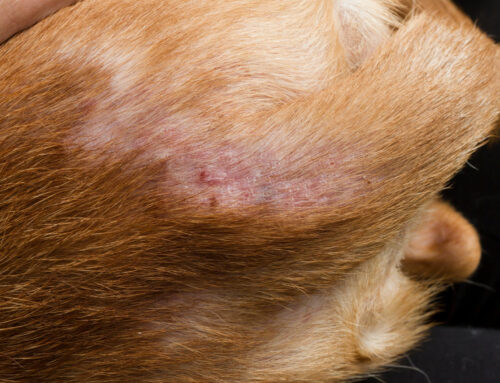
Watch for signs of fleas, including excessive scratching, hair loss, red or irritated skin, and tiny black specks in your pet’s fur. Those black specks are flea dirt (flea feces), which turns red when moistened because it contains digested blood. If you notice these signs in any pet, assume all your animals are affected and begin treatment immediately.
Immediate Response Steps
Bathing pets with flea shampoo provides temporary relief but doesn’t prevent reinfestation. After bathing, apply your regular prevention product as directed. Check all pets daily during an active infestation, using a flea comb to remove adult fleas. Dispose of captured fleas in soapy water to prevent them from jumping back onto your pets.
Some pets develop flea allergy dermatitis, where even a single flea bite causes severe itching and skin problems. These animals need particularly vigilant prevention. If your pet shows signs of an allergic reaction, contact us for treatment options that may include anti-inflammatory medications or immune-support therapies.
Trust Mountain View Animal Hospital & Holistic Pet Care for Comprehensive Flea Prevention
Managing flea prevention in a multi-pet household requires dedication, but the effort protects your animals from discomfort and potential health complications. We understand every household is different, so we tailor our recommendations to your specific situation. Our AAHA-accredited hospital maintains the highest standards of veterinary care, and our team stays current on the most effective prevention strategies.
Whether you need help selecting the right products for your pets or you’re dealing with an existing infestation, we’re here to help. Schedule an appointment with our team to develop a flea prevention plan that works for your entire household.






Leave A Comment