

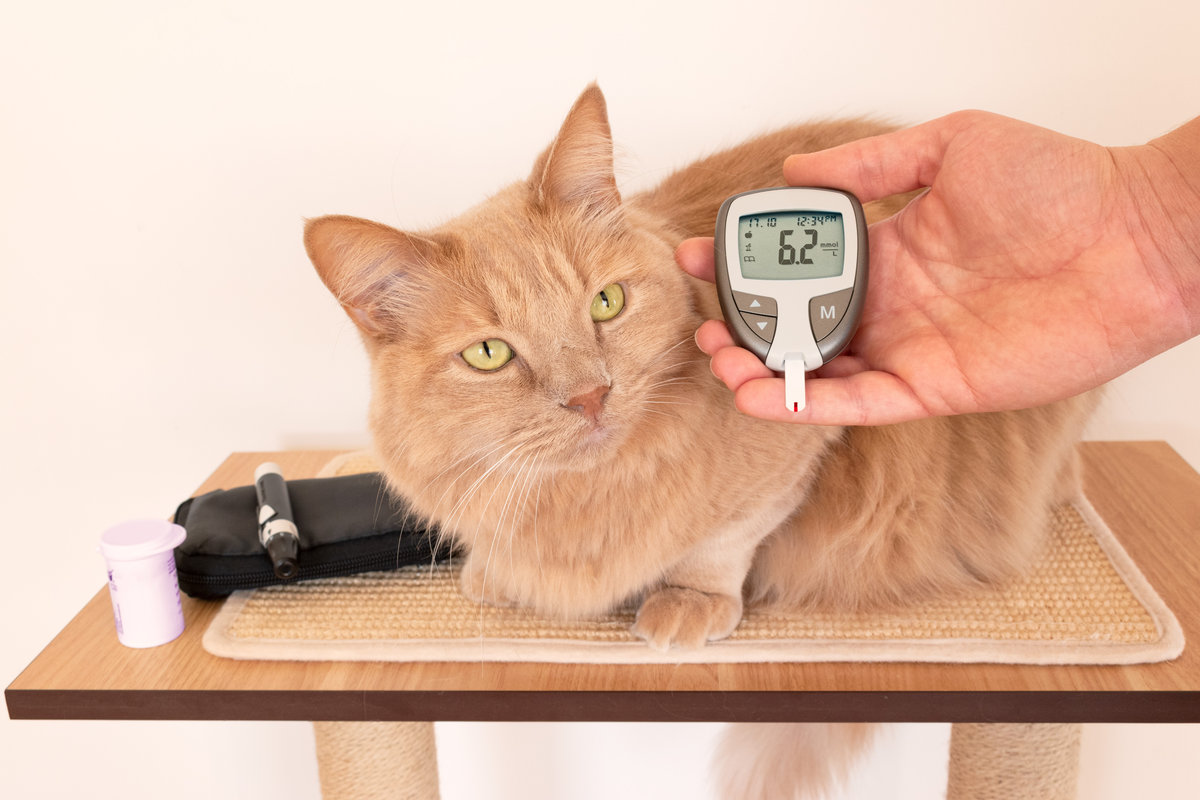
When your cat starts drinking more water than usual or making more trips to the litter box, these changes might seem minor at first. However, these subtle shifts in behavior could be early warning signs of feline diabetes, a condition that affects thousands of cats each year and requires prompt attention to ensure your feline companion maintains a good quality of life.
At Mountain View Animal Hospital & Holistic Pet Care, our experienced veterinary team understands the challenges that come with managing a diabetic cat. We combine comprehensive wellness and preventative care with innovative holistic therapies to help feline patients achieve optimal health outcomes. Whether your cat has just been diagnosed with diabetes or you’re concerned about their risk, we’re here to guide you through every step of the journey.
What Is Feline Diabetes?
Feline diabetes mellitus occurs when a cat’s body cannot properly produce or respond to insulin, the hormone that regulates blood glucose levels. Without adequate insulin function, glucose accumulates in the bloodstream rather than entering cells to provide energy. This creates a cycle where cells become starved for fuel despite abundant sugar circulating through the blood.
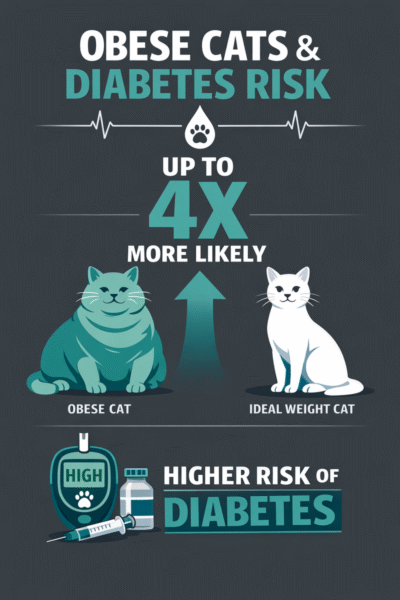
Most cats develop Type II diabetes, where their bodies produce insulin, but cells don’t respond to it effectively. According to Cornell University College of Veterinary Medicine, obese cats are up to four times more likely to develop diabetes than cats at an ideal weight. The condition typically appears in middle-aged to senior cats, though it can occur at any age.
 Recognizing the Warning Signs of Feline Diabetes
 Recognizing the Warning Signs of Feline Diabetes
The most noticeable indicators of feline diabetes include increased thirst and urination paired with unexpected weight loss despite a healthy appetite. When blood glucose levels rise too high, the kidneys cannot filter all the excess sugar, causing it to spill into the urine. This draws additional water into the urine, leading to increased urination, dehydration, and compensatory drinking.
Some cats with diabetes may develop weakness in their hind legs, causing them to walk flat on their hocks rather than on their toes. This plantigrade stance results from nerve damage but typically resolves with proper treatment. Other signs include poor coat quality, lethargy, and recurring infections that concerned owners notice during daily interactions with their pets.
Risk Factors Every Cat Owner Should Know
Several factors increase a cat’s likelihood of developing diabetes, with obesity standing as the most significant risk factor. Excess body fat interferes with insulin function and glucose metabolism, making weight management crucial for prevention. Male cats face a higher risk than females, and the likelihood increases with age, particularly in cats over seven years old.
Physical inactivity contributes to diabetes risk by reducing insulin sensitivity and promoting weight gain. Indoor cats who lack opportunities for regular exercise and play may be particularly vulnerable to developing this condition. Additionally, certain medications like glucocorticoids can increase diabetes risk when used long-term.
Feline Diabetes Diagnosis and Treatment Options
Diabetes is diagnosed through blood and urine tests that reveal persistently elevated glucose levels. A single high reading may not confirm diabetes, as cats can experience stress-related blood sugar spikes during veterinary visits. Additional testing may include checking for urinary tract infections, kidney disease, or hyperthyroidism, as these conditions can occur alongside diabetes.
Treatment typically involves insulin therapy combined with dietary management. Injectable insulin is one of the best treatments for most diabetic cats, with several formulations available to match each patient’s needs. Diet plays a crucial role in managing diabetes, as low-carbohydrate, high-protein diets help stabilize blood glucose levels and support healthy weight management. We also offer complementary Holistic services that may benefit diabetic cats and support overall wellness.
The Importance of Regular Feline Diabetes Monitoring
Regular monitoring ensures your cat’s diabetes remains well-controlled and helps prevent dangerous complications. Blood glucose curves track sugar levels throughout the day, allowing us to adjust insulin doses as needed. Many cat owners eventually learn to perform blood glucose testing at home, which reduces stress on their cats and provides more accurate results.
Daily observations matter too, as subtle changes can indicate when treatment adjustments are necessary. Monitor your cat’s water intake, appetite, litter box habits, activity level, and body weight consistently. These simple checks help you recognize patterns and alert our team to potential concerns before they become serious problems.
Experience Compassionate Feline Diabetes Care at Mountain View Animal Hospital & Holistic Pet Care
Managing feline diabetes requires dedication, but you don’t have to face this challenge alone. At Mountain View Animal Hospital & Holistic Pet Care, we combine evidence-based conventional medicine with innovative Holistic therapies to create individualized treatment plans for diabetic cats. Our specialized pet care services address both immediate health concerns and long-term wellness goals.
Whether your cat has just received a diabetes diagnosis or you’re seeking better management of an existing condition, our experienced team is ready to help. We’ll work closely with you to ensure your feline companion receives the comprehensive care they deserve. Contact us today to schedule a consultation and learn how we can support your diabetic cat’s health and quality of life.



Leave A Comment