

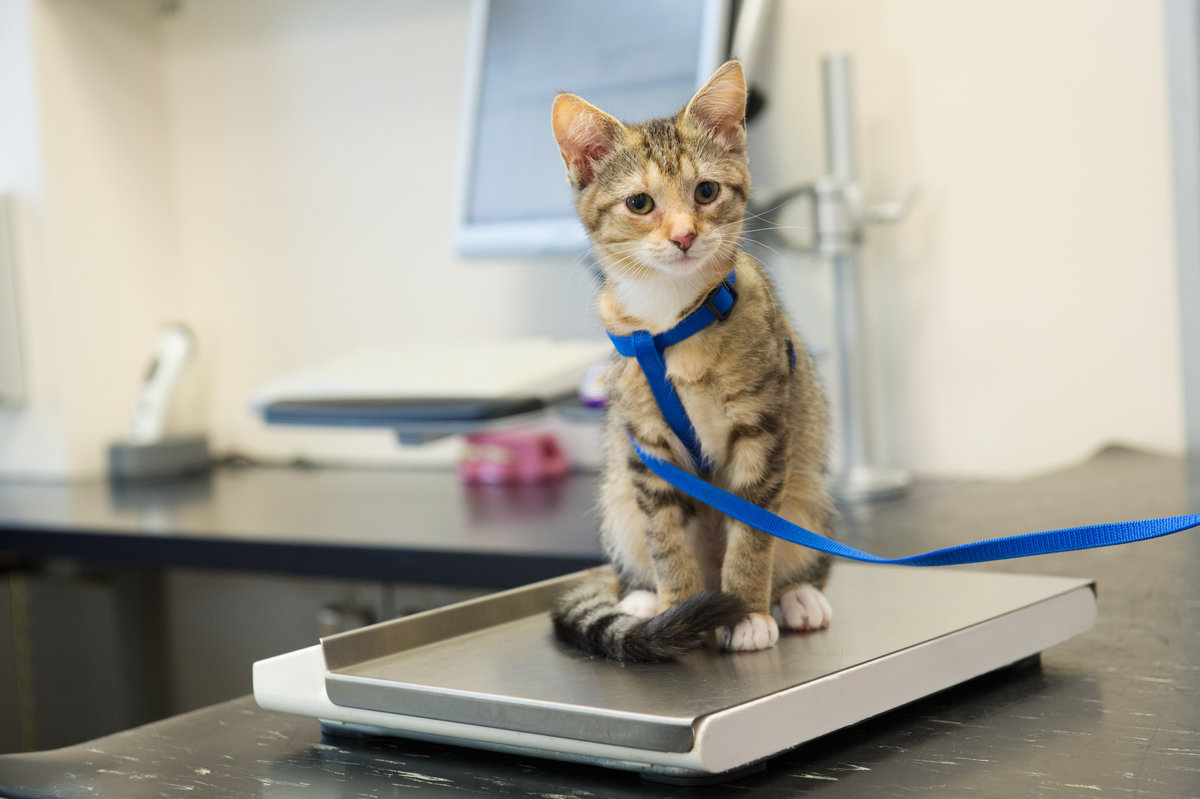
When your pet begins losing weight without explanation, it can trigger immediate concern and worry. Weight loss in pets rarely occurs without reason, and recognizing the underlying causes, such as dental disease, metabolic issues, and stress, early can make a significant difference in your pet’s health and recovery.
At Mountain View Animal Hospital & Holistic Pet Care, we understand how distressing unexplained weight loss can be for pet owners. Our AAHA-accredited team combines traditional veterinary medicine with Holistic services to provide comprehensive diagnostic care and personalized treatment plans. Whether your pet needs conventional testing or integrative therapies, we’re here to help identify the root cause and restore your companion’s health.
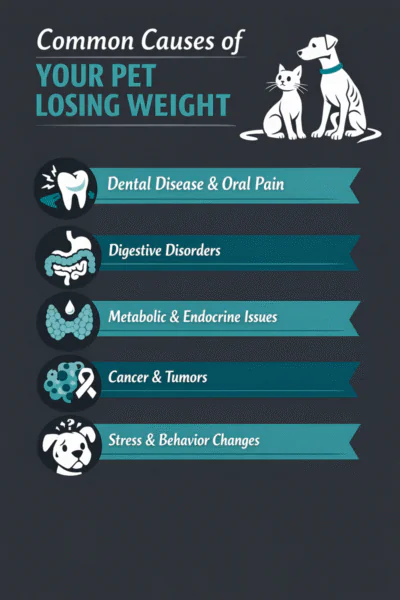
Common Causes of Your Pet Losing Weight
Understanding why your pet is losing weight requires careful evaluation of multiple factors. According to research from veterinary health organizations, unintentional weight loss in pets often signals underlying health conditions that require professional attention. The following are the most common reasons pets experience unexpected weight loss:
Dental Disease and Oral Pain
Dental problems rank among the leading causes of weight loss in cats and dogs. When pets experience dental disease, eating becomes painful, causing them to avoid meals or eat less than normal. Broken teeth, gum infections, and oral tumors can make chewing uncomfortable or impossible. Regular dental examinations at our facility help catch these issues early, and we offer both preventive cleanings through Animal Dental Care and anesthetized dentals known as Comprehensive Oral Health Assessments (COHAT), performed by our veterinarians.
Gastrointestinal Disorders
Digestive system problems frequently contribute to weight loss in pets. Conditions like inflammatory bowel disease, pancreatitis, and intestinal parasites prevent proper nutrient absorption even when pets maintain normal appetites. Chronic vomiting and diarrhea compound the problem by causing fluid loss and nutrient depletion. Parasites particularly affect younger animals but can impact pets of any age.
Metabolic and Endocrine Diseases
Hormonal imbalances often manifest through changes in weight and appetite. Hyperthyroidism commonly affects feline companions, accelerating metabolism and causing weight loss despite increased eating. Diabetes mellitus impairs glucose utilization, leading to weight loss despite adequate food intake. Kidney disease impairs nutrient processing and often significantly reduces appetite. These conditions require diagnostic blood tests and ongoing monitoring to be managed effectively.
Cancer and Tumors
Malignancies consume significant energy and nutrients while often suppressing appetite. Various cancers affect pets differently, but unexplained weight loss is often an early warning sign. Some tumors interfere with normal organ function, while others create metabolic changes that promote weight loss. Early detection through thorough physical examinations and diagnostic testing significantly improves treatment outcomes.
Stress, Anxiety, and Behavioral Changes
Psychological factors influence eating habits more than many pet owners realize. Changes in household dynamics, new pets, moving, or separation anxiety can cause pets to eat less. Some animals develop food aversions following negative experiences or simply prefer different textures and flavors as they age. Our team recognizes the connection between emotional well-being and physical health, addressing both aspects of your pet’s care.
When to Seek Veterinary Care for Weight Loss
Recognizing when weight loss requires professional attention helps prevent complications. Any noticeable weight loss warrants evaluation, especially when it occurs rapidly or accompanies other symptoms. Schedule an appointment if your pet loses more than 10% of their body weight, refuses food for more than 24 hours, or shows lethargy, vomiting, diarrhea, increased thirst, or behavioral changes. Senior pets and those with pre-existing conditions need particularly close monitoring.
Diagnostic Approach and Treatment Options
Identifying the cause of weight loss requires systematic evaluation. Physical examinations reveal visible problems, such as dental issues or abdominal abnormalities. Blood work assesses organ function, hormone levels, and infection markers. Imaging studies, including radiographs and ultrasounds, visualize internal structures. Fecal testing identifies parasitic infections.
Treatment varies based on diagnosis and may include medications, dietary modifications, Holistic therapies, or surgical intervention. Our integrative approach combines conventional medicine with complementary treatments like acupuncture and therapeutic laser to support healing and comfort.
Partner With Mountain View Animal Hospital & Holistic Pet Care for a Comprehensive Weight Loss Evaluation
Unexplained weight loss in your pet deserves prompt, thorough investigation by experienced veterinary professionals. At Mountain View Animal Hospital & Holistic Pet Care, our AAHA-accredited facility offers advanced diagnostics alongside compassionate, individualized care. We take time to understand your pet’s complete health picture, utilizing both traditional diagnostics and holistic assessment techniques to identify root causes.
Our experienced veterinarians work closely with you to develop treatment plans that address your pet’s specific needs while respecting your preferences and concerns. Don’t wait to address concerning weight changes in your companion. Contact us today to schedule a comprehensive evaluation and start your pet on the path to restored health and vitality.



Leave A Comment