

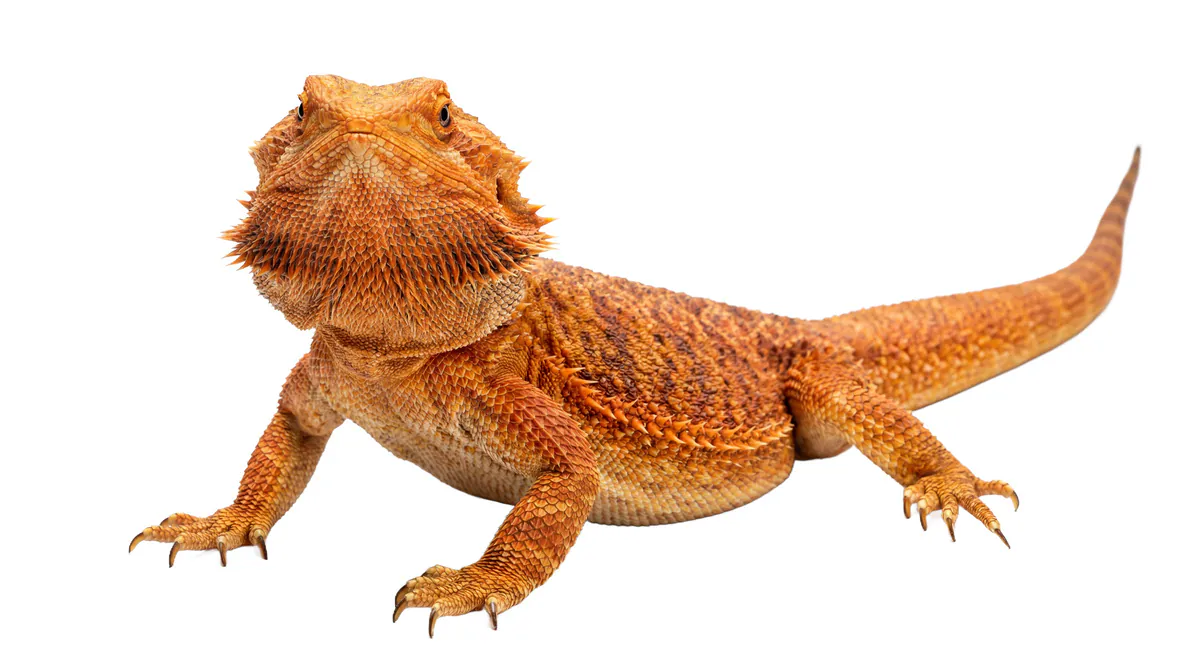
Bearded dragons are wonderful companions. They are curious, gentle, and full of personality, making them one of the most popular reptiles kept as pets today. But caring for them well takes more than a comfortable habitat and a bowl of greens. Like all animals, bearded dragons are prone to certain health conditions, and many of them can quietly develop before any obvious signs appear. Understanding what to watch for gives you the best chance of keeping your dragon thriving for years to come.
If you share your home with a bearded dragon in the Reno area, our exotic animal care team is here to help. At Mountain View Animal Hospital & Holistic Pet Care, we care for a wide variety of reptiles and are familiar with the unique needs bearded dragons bring to the exam table. Whether you have a hatchling or a long-time companion, we are ready to support their health every step of the way.
What Is Metabolic Bone Disease in Bearded Dragons?
Metabolic bone disease, or MBD, is one of the most common conditions seen in bearded dragons. It develops when they do not receive adequate UVB light or calcium in their diet, leading to weakened bones, tremors, and difficulty moving. The good news is that MBD is largely preventable with the right setup.
Making sure your dragon has access to proper UVB lighting and a diet rich in calcium is essential. Bearded dragons require 12 to 14 hours of UVB light daily to properly metabolize calcium. Bulbs should be replaced every six months even if they still appear to be working, as their UV output declines over time. If you have noticed any signs of weakness or stiffness in your dragon, scheduling a wellness visit sooner rather than later is always a smart move.
Do Bearded Dragons Get Parasites?
Internal and external parasites are another frequent concern for bearded dragons, particularly those who eat live insects. Pinworms are especially common and can be difficult to detect without a fecal examination. While a low parasite burden may not cause immediate symptoms, a heavy load can lead to weight loss, lethargy, and digestive upset.
Routine wellness visits that include fecal screenings are one of the most effective ways to catch parasites early. Our wellness and preventative care services are designed to stay ahead of these kinds of issues before they become more serious. Keeping your dragon’s habitat clean and sourcing feeders from reputable suppliers can also go a long way in reducing exposure.
Signs of a Respiratory Infection in Bearded Dragons
Respiratory infections in bearded dragons are often tied to improper husbandry, particularly enclosures that are too cold or too humid. Signs can include wheezing, mucus around the mouth or nose, and labored breathing. If left unaddressed, these infections can progress quickly.
Maintaining the correct temperature gradient in your dragon’s enclosure is critical. Bearded dragons need a basking spot between 100 and 110 degrees Fahrenheit and a cooler side around 80 to 85 degrees. Consistent temperature monitoring and proper ventilation can prevent most cases from ever developing.
What Causes Impaction in Bearded Dragons?
Impaction occurs when a bearded dragon ingests substrate or other indigestible material that becomes lodged in their digestive tract. Loose substrates like sand are a common culprit, especially in younger dragons. Symptoms can include a loss of appetite, a swollen abdomen, and difficulty passing waste.
The following preventive steps can help protect your dragon from impaction:
- Use solid, non-particulate substrates such as reptile carpet, ceramic tile, or paper towels for younger dragons
- Avoid feeding insects that are larger than the space between your dragon’s eyes
- Offer adequate hydration through regular shallow baths
Acting quickly at the first sign of impaction is important, as this condition can become life-threatening without prompt care.
What Is Adenovirus in Bearded Dragons?
Adenovirus, sometimes called “stargazing disease,” is a viral infection that affects the neurological and gastrointestinal systems of bearded dragons. Infected animals may tilt their heads upward, have seizures, or experience chronic digestive problems. There is no cure, but supportive care and good husbandry can improve quality of life for affected dragons.
Purchasing from a reputable breeder and having new dragons examined before introducing them to others can reduce the risk of exposure.
Schedule a Visit With Mountain View Animal Hospital & Holistic Pet Care
Bearded dragons deserve attentive, knowledgeable care, and finding a veterinary team familiar with reptiles makes all the difference. Our team at Mountain View Animal Hospital & Holistic Pet Care brings a genuine passion for exotic animals to every visit. As one of fewer than 15% of animal hospitals nationally to hold AAHA accreditation and a recipient of the Newsweek “America’s Best Animal Hospitals” recognition, we hold ourselves to a standard of care that your dragon deserves. You can also explore our accreditation and awards to learn more about what sets us apart.
If your bearded dragon is due for a checkup or you have noticed something that does not seem quite right, we would love to see them. Request an appointment today and let us help you keep your scaly family member happy and healthy.



Leave A Comment