

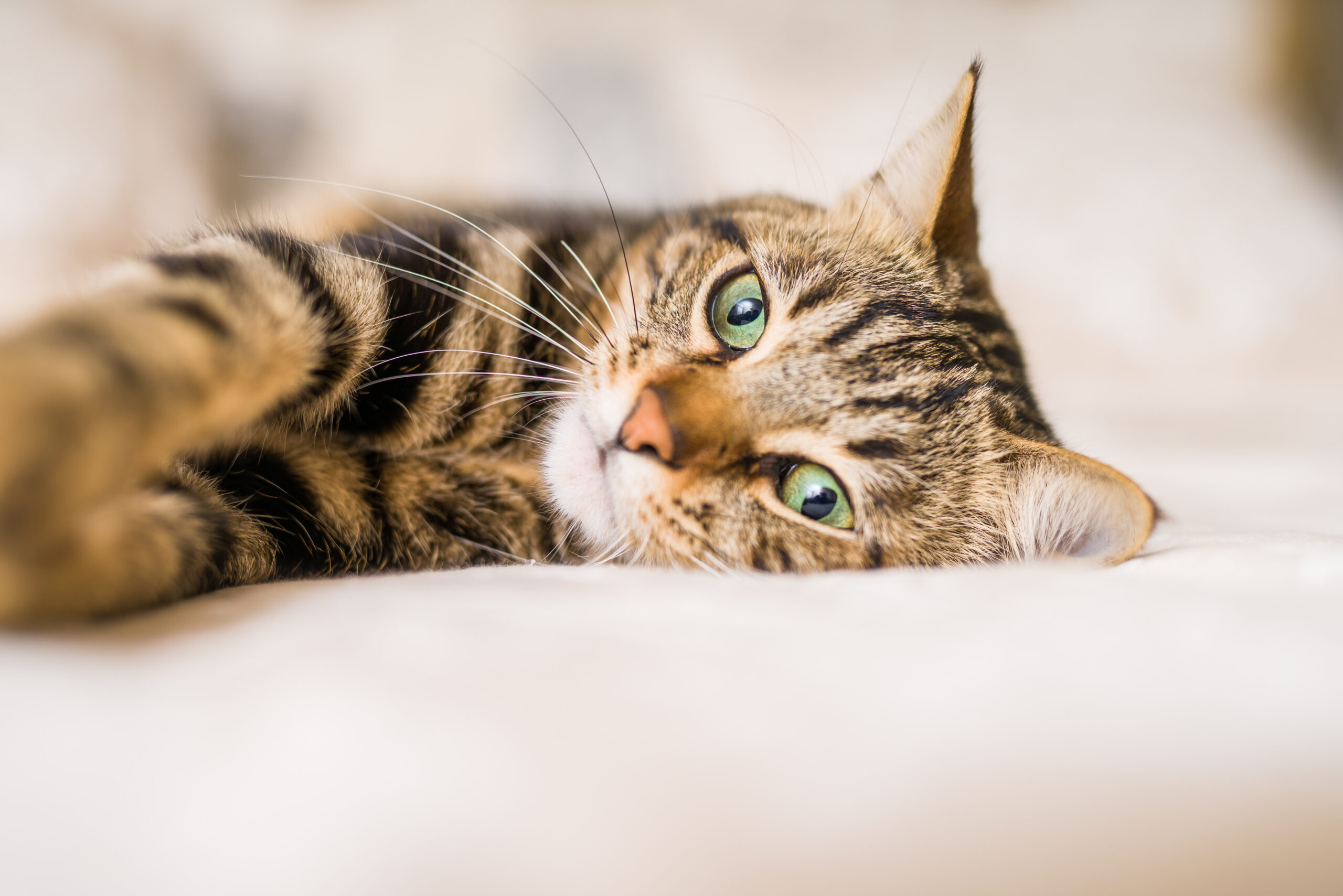
Arthritis doesn’t just affect older humans. This degenerative joint condition can significantly impact your cat’s quality of life, but many pet owners miss the subtle signs because cats instinctively hide their discomfort. Recognizing arthritis pain early allows you to explore treatment options and help your feline companion maintain mobility and comfort.
At Mountain View Animal Hospital & Holistic Pet Care, we understand how challenging it can be to detect pain in cats. Our holistic services combine traditional veterinary medicine with an integrative approach to help manage arthritis and other chronic conditions through both conventional treatments and complementary therapies. As an AAHA-accredited hospital, we provide comprehensive care for cats experiencing joint discomfort.
Understanding Feline Arthritis
Arthritis, also called osteoarthritis or degenerative joint disease, occurs when the protective cartilage cushioning your cat’s joints breaks down over time. This deterioration causes bones to rub together, creating inflammation, stiffness, and pain. While arthritis commonly affects senior cats, younger felines can develop the condition following injuries or due to genetic factors. The condition typically affects weight-bearing joints such as the hips, knees, elbows, and spine. Unlike dogs, cats rarely show obvious lameness, making arthritis harder to spot in feline companions.
Behavioral Changes Signal Joint Pain
Your cat’s behavior often reveals more about their discomfort than physical symptoms. Cats experiencing joint pain often reduce their activity levels. Your once-playful cat may sleep more, decline to chase toys, or seem less interested in exploring. They might hesitate before jumping onto furniture or avoid heights they previously enjoyed reaching.
Some cats eliminate outside their litter box because climbing in causes too much discomfort. Grooming habits frequently change when arthritis develops. Your cat may neglect grooming painful areas, leading to matted fur or an unkempt coat. Conversely, some cats over-groom joints in pain, creating bald patches or skin irritation. Personality shifts also indicate discomfort. Friendly cats may become withdrawn or irritable. Your typically social feline might seek isolation or react aggressively when you touch sensitive areas.
Physical Signs of Joint Discomfort
Beyond behavioral shifts, physical indicators can help you identify arthritis in your cat. Stiffness appears most noticeable after rest periods. Your cat might move slowly or gingerly when first standing, particularly in the morning or after long naps. Joint swelling, though subtle in cats, sometimes becomes visible or palpable. Affected joints may feel warm to the touch.
Your cat may also develop a stiff gait or show reluctance to fully extend their limbs during movement. Monitor how your cat navigates their environment. Difficulty climbing stairs, reluctance to jump down from elevated surfaces, or taking unusual routes to favorite spots all suggest joint pain. Some cats begin using their front legs more than their hind legs to compensate for hip or knee discomfort.
Changes in Daily Activities
Arthritis affects routine activities in noticeable ways. Your cat may struggle with basic movements, such as entering or exiting their litter box. They might start eliminating beside the box rather than stepping inside, or they may choose locations requiring less effort to access. Eating and drinking patterns can shift, too. Cats with neck or spinal arthritis may have difficulty bending to reach floor-level bowls.
They might eat less, lose weight, or appear hungry but reluctant to approach their food. Sleep positions often change when joints hurt. Your cat might avoid curling up tightly or refuse to rest in previously favored spots, requiring jumping or climbing. They may choose softer surfaces or locations needing minimal movement to reach.
When to Seek Veterinary Care
Schedule an appointment if you notice any combination of these signs. Early intervention helps slow arthritis progression and maintains your cat’s quality of life. Your veterinarian can perform a thorough examination, potentially including X-rays, to assess joint health and rule out other conditions causing similar symptoms. Don’t wait until your cat shows severe symptoms. Subtle changes deserve professional evaluation.
Treatment options range from weight management and nutritional supplements to pain management approaches and therapeutic services like acupuncture, which can help reduce inflammation and improve comfort. Our team also offers wellness and preventative care programs to help manage chronic conditions before they worsen.
Supporting Your Cat’s Joint Health at Mountain View Animal Hospital & Holistic Pet Care
We offer comprehensive care for cats with arthritis through our integrative approach. Traditional veterinary treatments work alongside holistic therapies to address both symptoms and underlying causes. Our team includes veterinarians experienced in both conventional and holistic medicine, ensuring your cat receives personalized care.
Your feline companion deserves comfort and quality of life regardless of age. If you’ve noticed any signs of joint pain or mobility changes in your cat, contact us to schedule an evaluation. We’ll work with you to develop a personalized treatment plan that combines conventional medicine with complementary therapies tailored to your cat’s specific needs.



Leave A Comment