

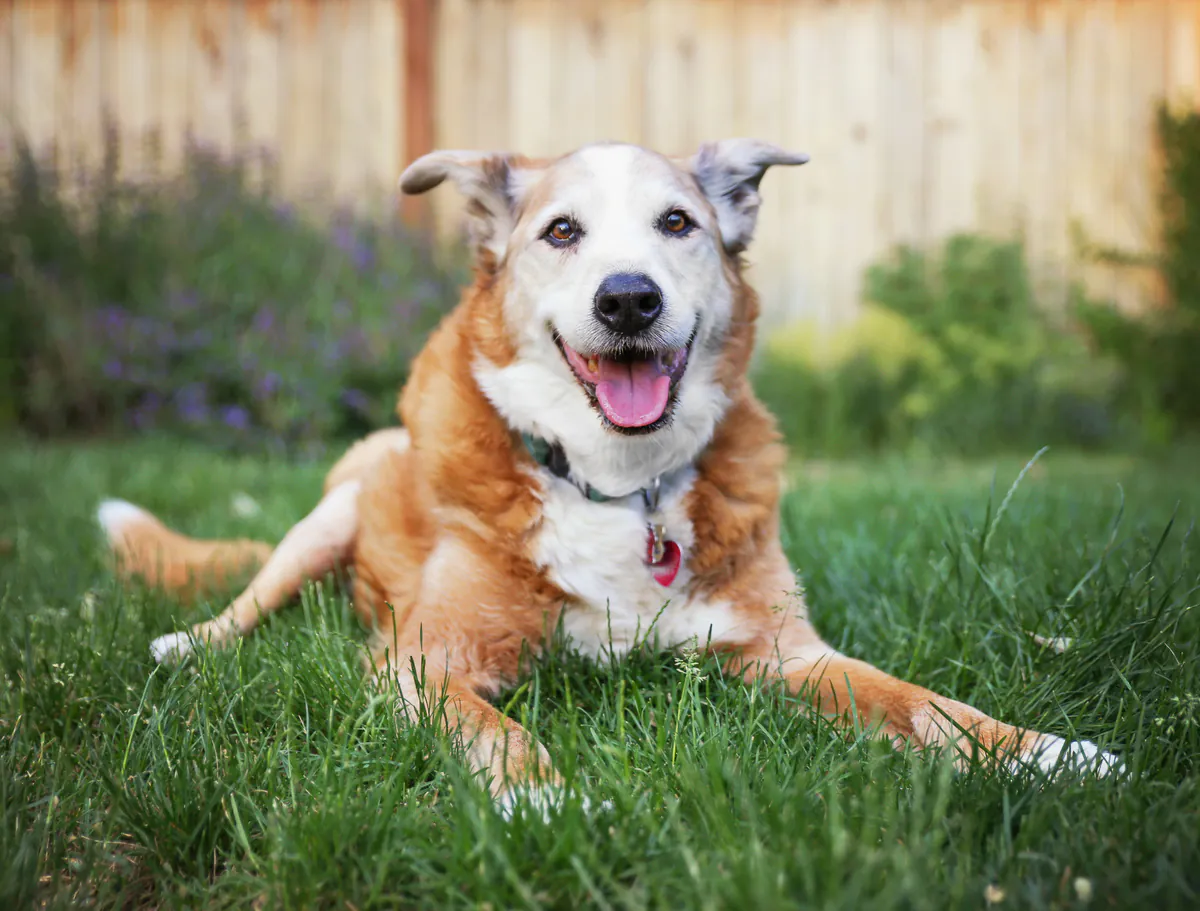
When your senior pet begins struggling to stand, climb stairs, or walk without stumbling, the underlying cause matters more than you might think. Back leg weakness can stem from two very different sources: orthopedic problems affecting bones and joints, or neurological issues involving the nervous system. Understanding this distinction helps you seek appropriate care and improves your pet’s chances for relief and recovery.
At Mountain View Animal Hospital & Holistic Pet Care, we combine traditional veterinary medicine with an integrative approach to diagnose and treat mobility issues in aging pets. Our team uses both conventional diagnostics and Holistic therapies to address the root cause of your pet’s discomfort, whether it originates in their joints or their nervous system.
Understanding Orthopedic Causes of Back Leg Weakness
Orthopedic conditions affect the structural components of your pet’s body: bones, joints, muscles, and connective tissues. These problems typically develop gradually as your pet ages, though previous injuries can accelerate their progression.
Arthritis and Joint Degeneration
Arthritis remains the most common orthopedic cause of hind leg weakness in senior pets. The cartilage cushioning your pet’s joints wears down over time, creating bone-on-bone friction. This produces inflammation, pain, and reduced mobility. You might notice your pet hesitating before jumping, taking longer to rise after resting, or showing stiffness after exercise.
Hip Dysplasia and Ligament Injuries
Hip dysplasia, where the hip joint develops abnormally, causes progressive weakness and instability in the back legs. Cranial cruciate ligament tears, similar to ACL injuries in humans, also produce sudden or gradual hind limb weakness. These conditions create mechanical instability, making weight-bearing difficult and painful.
Recognizing Neurological Causes of Hind Leg Weakness
Neurological weakness originates from problems with the brain, spinal cord, or peripheral nerves. These conditions interrupt the signals traveling between your pet’s brain and their back legs, affecting coordination and strength in ways distinct from orthopedic problems.
Degenerative Myelopathy and Spinal Cord Compression
Degenerative myelopathy, a progressive disease affecting the spinal cord, typically begins with subtle coordination problems in the hind legs. Your pet might drag their toes, cross their back legs when walking, or lose balance easily. Spinal cord compression from herniated discs or tumors produces similar symptoms but often progresses more rapidly and may cause pain.
Peripheral Nerve Disorders
Peripheral neuropathy affects the nerves outside the brain and spinal cord, causing weakness, loss of reflexes, and sometimes muscle wasting in the back legs. Unlike orthopedic problems, neurological conditions often produce asymmetric weakness or affect both front and back legs simultaneously.
Key Differences Between Orthopedic and Neurological Weakness
Several observable differences can help you distinguish between these two categories of problems, though proper veterinary diagnosis remains essential for accurate identification.
Orthopedic weakness typically worsens with activity and improves with rest. Your pet may show obvious pain when you touch or manipulate affected joints. They often bear weight unevenly, shifting pressure away from the painful leg. Neurological weakness, by contrast, often appears inconsistent and may not follow predictable patterns based on activity level. You might notice knuckling of the paws, where your pet walks on the tops of their toes rather than their pads, or poor coordination when your pet turns or navigates obstacles.
Our approach at Mountain View includes thorough physical examinations, neurological assessments, and diagnostic imaging when needed. We also offer Holistic services such as acupuncture and veterinary orthopedic manipulation (VOM) to complement traditional treatments. These therapies address both pain management and underlying dysfunction, whether the problem stems from joint disease or nerve impairment.
Treatment Options for Both Conditions
The treatment path differs significantly depending on whether your pet faces an orthopedic or neurological challenge. Orthopedic treatments often focus on reducing inflammation, managing pain, and supporting joint health. Neurological treatments may emphasize nerve function support, physical therapy to maintain muscle tone, and managing the progression of degenerative conditions.
Therapy laser photobiomodulation can benefit both types of conditions by reducing inflammation and promoting tissue healing. For orthopedic issues, treatments might include prolozone therapy or platelet-rich plasma therapy to regenerate damaged tissues. Neurological conditions may respond well to Chinese herbal therapies and nutritional support designed to protect nerve cells and slow disease progression.
Weight management plays a crucial role regardless of the underlying cause. Excess weight stresses damaged joints and makes movement more difficult for pets with compromised nerve function. We can develop a nutrition plan tailored to your pet’s specific needs and condition.
Get Comprehensive Care at Mountain View Animal Hospital & Holistic Pet Care
When your senior pet shows signs of back leg weakness, prompt evaluation makes a meaningful difference in their comfort and quality of life. The distinction between orthopedic and neurological causes guides treatment decisions and helps set realistic expectations for improvement. Our team at this AAHA-accredited hospital brings extensive experience diagnosing and treating both categories of mobility problems.
We offer the diagnostic tools needed to identify the source of your pet’s weakness alongside treatment options that span both conventional veterinary medicine and Holistic therapies. This integrative approach allows us to address your pet’s unique needs through customized treatment plans. You can learn more about how we help aging pets maintain their mobility and comfort through our contact form.






Leave A Comment