


When a pet emergency happens, everything changes in an instant. One moment everything seems fine, and the next, your dog or cat is struggling to breathe, collapse has set in, or something simply looks very wrong. For pet owners in Reno, NV, knowing where to turn and what to expect from emergency veterinary care can make all the difference when it matters most.
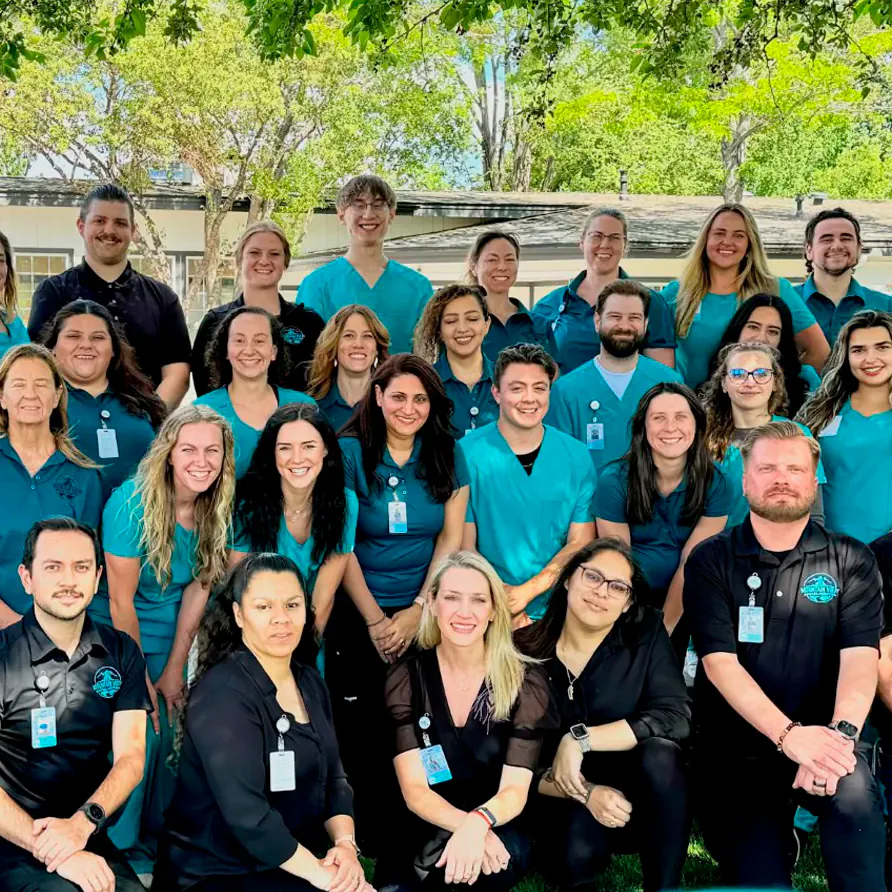
At Mountain View Animal Hospital & Holistic Pet Care, we understand that your pet’s health is a top priority. Our experienced team is here to provide the compassionate, expert care your pet needs during some of the most stressful moments you’ll face together. As an AAHA-accredited hospital, we are held to the highest standards in veterinary medicine, and that commitment to quality extends to every patient who walks through our doors. You can learn more about all that we offer on our services page.
What Counts as a Veterinary Emergency?
A veterinary emergency is any situation where your pet’s life may be at risk without immediate medical intervention. This includes difficulty breathing, uncontrolled bleeding, suspected poisoning, seizures, collapse, inability to urinate (especially in male cats), severe trauma from a car accident or animal attack, and loss of consciousness. If your pet is showing any of these signs, do not wait — call us or head to an emergency animal hospital right away.
Mountain View Animal Hospital & Holistic Pet Care serves as a primary resource for urgent and emergency-adjacent care in Reno, NV during regular business hours. For life-threatening situations outside our hours, Animal Emergency Center (6425 S. Virginia St, (775) 851-3600) and BluePearl Pet Hospital (555 Morrill Ave, (775) 358-8555) are available. When you are unsure whether your pet’s condition qualifies as an emergency, calling ahead is always the right first step — our team can help you triage over the phone and get you to the right level of care quickly.
Recognizing Common Pet Emergencies
Not every health concern requires immediate emergency care, but some symptoms should always prompt you to act quickly. The American Veterinary Medical Association (AVMA) outlines 13 animal emergencies that require immediate veterinary attention, ranging from difficulty breathing to suspected poisoning. Recognizing these signs early can be life-saving for your pet.
Some of the most common pet emergencies we see include:
- Difficulty breathing, choking, or labored breathing
- Prolonged vomiting or diarrhea, especially with blood
- Collapse, extreme weakness, or loss of consciousness
- Suspected poisoning or toxin ingestion
- Seizures or uncontrolled tremors
- Severe trauma, such as being struck by a vehicle
- Uncontrolled bleeding or suspected broken bones
- Eye injuries or sudden loss of vision
- Inability to urinate, particularly in cats
- Pale, blue, or white gums
- Extreme lethargy or sudden changes in behavior
If your pet is experiencing any of these signs, please contact us immediately so our team can help you determine the best next step. Time is critical in these situations, and reaching out right away gives your pet the best chance at a positive outcome.
Emergency Care vs. Urgent Care: What Is the Difference?
Many pet parents are unsure whether their pet’s condition requires emergency veterinary care or urgent care. Understanding the distinction helps you make faster, more confident decisions.
| Situation | Emergency Care | Urgent Care |
|---|---|---|
| Severity | Life-threatening or potentially critical | Serious but not immediately life-threatening |
| Examples | Collapse, severe trauma, difficulty breathing, suspected poisoning | Lameness, minor wounds, vomiting once or twice, eye irritation |
| Response | Contact us immediately | Schedule a same-day or next-available appointment |
| What to expect | Triage and stabilization as top priority | Examination and treatment plan within the visit |
Our urgent care page provides additional guidance on conditions that fall into that category. If you are ever unsure, always err on the side of caution and call us. We would rather help you assess the situation than have you wait when time is critical.
What to Expect During Your Visit to Emergency Pet Hospital
When you arrive at Mountain View Animal Hospital & Holistic Pet Care with an emergency, our team moves quickly to assess your pet’s condition and determine the most appropriate course of action. Your pet’s comfort and safety are at the center of everything we do.
Here is what the process typically looks like:
First, our team will triage your pet to evaluate the severity of the situation. Depending on your pet’s condition, we may move directly into diagnostic testing or stabilization. We will keep you informed at every step and explain what we are seeing so you can be part of the decision-making process.
We believe in joint decision-making between the pet owner and the veterinarian. You will never be left in the dark about what is happening with your pet’s health, and we work collaboratively to determine the best path forward. Transparent communication and follow up care guidance are part of every visit.
For surgical care, please know that our team is also experienced in surgery, so if a procedure becomes necessary, your pet is in capable hands without needing an additional transfer. If your pet’s condition requires a higher level of specialty care or critical care beyond what we offer, we will work with you on a referral and ensure their medical records are seamlessly transferred.
The Emergency Care Exam Fee
We know that unexpected veterinary visits can bring financial stress along with emotional stress. Our team is committed to transparency, which is why we clearly communicate our urgent care exam fee upfront. We want you focused on your pet, not worrying about surprises.
For information on payment options that may be available to you, please visit our payment options page. We are committed to helping pet owners find a path to the care their pets need.
Preparing for a Pet Emergency Before One Happens
The best time to prepare for an emergency is before one occurs. Keeping your pet’s medical records current and accessible, saving our contact information in your phone, and knowing the signs of distress can help you act quickly when it matters most.
We also encourage pet parents to stay current on wellness and preventative care. Pets with up-to-date health records, regular exams, and a known medical history are easier and faster to treat in an emergency, because our team already understands their baseline health.
Expert Emergency Vet Reno, NV
Mountain View Animal Hospital & Holistic Pet Care is proud to serve pet owners throughout Reno, NV with the kind of compassionate care that treats every patient like family. As a multiple-award-winning, AAHA-accredited hospital, we have been recognized year over year for our commitment to excellence, including recognition as one of the top 500 animal hospitals nationally by Newsweek. Our team brings expertise, compassion, and a whole-body approach to emergency medicine that honors the unique needs of each patient.
When your pet needs emergency veterinary care, please do not wait. Contact us right away so our team can guide you through next steps and get your pet the expert care they deserve. Because when it comes to your pet, they deserve only the best.
Emergency Care FAQ
Animal Emergency Center
6425 S. Virginia St,
Reno, NV 89511
Blue Pearl Pet Hospital
555 Morrill Ave,
Reno, NV 89512
During our regular business hours, we are here to perform all follow-up care for your pet. If your pet is currently receiving care from or has recently been to the emergency center, please let us know so we can ensure all medical records and case information is made available to our team to ensure the highest quality of post-emergency treatment for your pet.
Animal Emergency Center
6425 S. Virginia St,
Reno, NV 89511
Blue Pearl Pet Hospital
During our regular business hours, we are here to perform all follow-up care for your pet. If your pet is currently receiving care from or has recently been to the emergency center, please let us know so we can ensure all medical records and case information is made available to our team to ensure the highest quality of post-emergency treatment for your pet.

YOUR PET DESERVES THE BEST CARE
We're Here When You Need Us
At Mountain View Animal Hospital & Holistic Pet Care, our AAHA-accredited team is ready to support your pet's health with advanced diagnostics and integrative, holistic therapies — tailored to their unique needs.
Schedule an Appointment TodayWhat Our Clients Are Saying
Real reviews from real pet owners in the Reno community
