

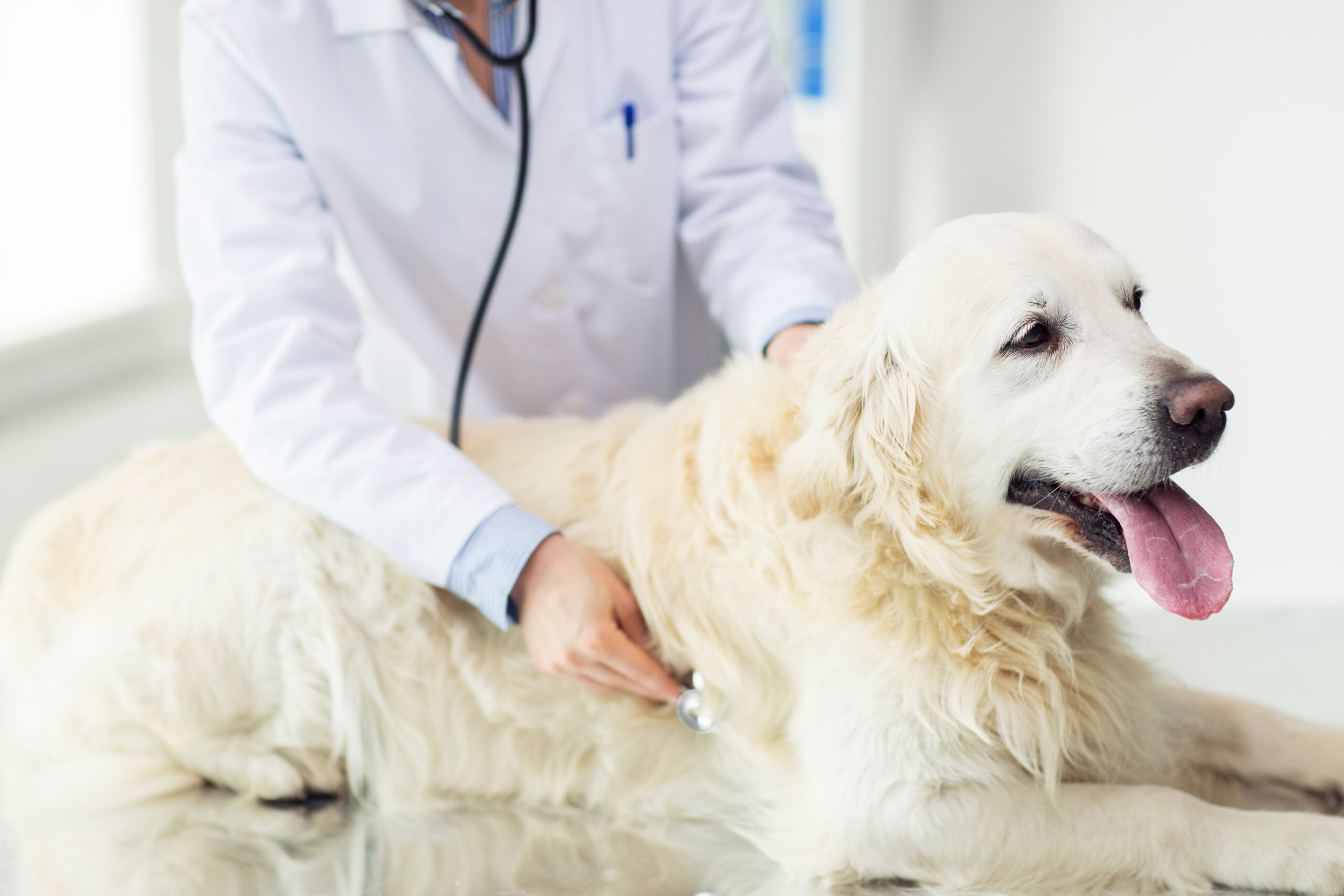
When your furry companion isn’t feeling well, finding gentle and natural ways to ease their discomfort becomes a top priority. Holistic approaches to pet digestive health combine traditional veterinary care with complementary therapies to address not just the symptoms but the underlying causes of stomach upset. These integrative methods may include dietary adjustments, stress reduction techniques, and therapeutic treatments to help your pet feel better naturally.
At Mountain View Animal Hospital & Holistic Pet Care, we believe in treating the whole pet, not just isolated symptoms. Our Holistic services complement conventional veterinary medicine to create a comprehensive healing approach for your companion’s upset stomach and overall well-being.
Common Causes of Digestive Upset in Pets
Digestive upset is a common issue that accounts for about 10% of all vet visits. It often stems from pets consuming food items outside their regular diet, intestinal parasites, pancreatitis, or chronic inflammatory intestinal conditions. Stress, abrupt dietary changes, and food sensitivities can also trigger stomach discomfort. Understanding the root cause of your pet’s upset stomach can help determine the most effective Holistic treatment approach.
Feline companions may be particularly sensitive to dietary changes and environmental stressors. They often show signs of digestive upset through decreased appetite, vomiting, or changes in litter box habits. While many cases of digestive upset resolve within a day or two, persistent symptoms lasting several days may require veterinary intervention.
Natural Dietary Solutions
One of the most effective Holistic approaches involves temporarily adjusting your pet’s diet to support digestive healing. Offering a bland, low-fat, highly digestible diet, such as boiled, skinless chicken or turkey breast mixed with white rice, can help settle an upset stomach. The low-fat component makes food easier to digest and allows the stomach to process nutrients without additional strain.
Canned pumpkin or cooked sweet potato can help firm up loose stools while providing gentle fiber support. These whole food options offer natural digestive benefits without harsh additives. When reintroducing regular food, do so gradually over several days to prevent recurring upset.
Probiotics and Gut Health
Adding a pet-safe probiotic to your companion’s diet can help restore healthy gut bacteria, particularly after digestive upset or antibiotic treatment. A balanced gut microbiome supports immune function and helps prevent future digestive issues. Regular probiotic supplementation may be beneficial for pets prone to stomach sensitivities.
Fermented foods designed for pets can also provide natural probiotic benefits. These dietary additions help maintain a healthy digestive environment and may reduce the frequency of stomach upset episodes.
Stress Reduction and Mind-Body Approaches
Stress can significantly affect a pet’s digestive system, and environmental changes, routine disruptions, or household additions can trigger stress-related digestive issues. Creating a calm, predictable environment helps support digestive health. At Mountain View Animal Hospital & Holistic Pet Care, we offer acupuncture services to help reduce stress and promote relaxation in anxious pets.
Gentle massage and quiet time in a familiar space may also help soothe an upset stomach. Pay attention to your pet’s body language and provide comfort without overwhelming them during recovery.
Hydration and Fasting Protocols
Your vet may recommend short fasting periods of 12 to 24 hours to help reset your pet’s digestive system when they consume inappropriate items. It’s important to follow your vet’s guidance and only fast your pet under their care. Access to fresh water is essential during any fasting period to prevent dehydration.
Offering ice chips or cubes in small amounts can help keep pets hydrated without overwhelming an already upset stomach. Slow licking of ice provides gentle hydration while giving the digestive system time to recover.
When to Seek Veterinary Care
While Holistic approaches offer gentle support for mild digestive upset, certain symptoms require immediate veterinary attention. Persistent vomiting or diarrhea lasting more than 24 hours, severe abdominal pain, or suspected poisoning all warrant urgent care. Young puppies and kittens can become dehydrated very quickly and need prompt evaluation.
Our integrative approach combines the best of conventional diagnostics with Holistic treatment options. This allows us to identify serious conditions while providing natural, supportive care whenever appropriate.
Supporting Long-Term Digestive Health at Mountain View Animal Hospital & Holistic Pet Care
Prevention remains the most effective approach to managing digestive issues. Gradual food transitions, consistent feeding schedules, and the inclusion of probiotics into regular routines can help maintain a healthy gut microbiome. Regular wellness visits allow us to monitor your pet’s digestive health and adjust their care plan as needed.
Our AAHA-accredited hospital provides comprehensive care for all your pet’s health needs. Whether your companion requires routine preventive care or specialized holistic treatments, our team is here to support their well-being with compassionate, individualized attention.
If your pet is experiencing digestive discomfort, we’re here to help. Contact us to schedule an appointment and discover how our integrative approach can bring relief and restore balance to your companion’s digestive system.



Leave A Comment