

Understanding the Gut Microbiome and Your Pet’s Health
The intestinal microbiome influences virtually every tissue in the body. Research has shown associations between the gut microbiota and obesity, diabetes, heart disease, autoimmune disorders, and various other diseases in humans and animals. Bacteria in the gut assist in digestion, synthesize vitamins, prevent infection, impact the immune system, and promote development of the gastrointestinal tract and brain.
The digestive system houses trillions of microorganisms working together to maintain your pet’s health. When this ecosystem becomes disrupted through antibiotic treatment, poor nutrition, or illness, serious problems can develop. Fecal transplant therapy works by introducing beneficial microbes from donor material to restore this critical balance and eliminate bad bacteria populations that have overtaken the colon.
Studies have demonstrated remarkable connections between gut microbes and overall wellness. The GI tract serves as a command center for immune function, with approximately 70% of the immune system residing in the intestinal lining. This explains why disruptions to the fecal microbiota can lead to widespread health consequences beyond simple digestive upset, including ulcerative colitis and other inflammatory conditions affecting the large intestine and small intestine.
What Is Fecal Microbiota Transplantation?
Fecal microbiota transplant (FMT) involves transferring donor stool from a carefully selected healthy individual into a recipient animal’s intestinal tract. The donor feces undergo rigorously screened testing to ensure safety and effectiveness. This experimental procedure, sometimes called fecal microbiota transplantation, has shown promising results for conditions ranging from chronic diarrhea to inflammatory bowel disease.
The procedure begins with identifying an appropriate potential donor. Stool samples from potential donors undergo extensive laboratory testing to screen for parasites, harmful bacteria, viruses, and other pathogens. Only fecal material from animals meeting strict health criteria can be used. Some practices utilize stool banks where pre-screened stool samples are stored and ready for use.
Fecal transplant material contains hundreds of bacterial species working synergistically to maintain intestinal health. Unlike probiotics containing only a few strains, fecal transplantation delivers a complete microbial ecosystem, restoring the entire length of the digestive system and colon more effectively than traditional interventions.
Conditions Treated with Fecal Transplant Therapy
In human medicine, fecal microbiota transplantation FMT is used for treatment of C diff (Clostridium difficile or Clostridioides difficile bacteria) infections not responsive to antibiotics, as well as Crohn’s disease, ulcerative colitis, constipation, and enterocolitis. Patients undergoing this procedure often experience relief from difficile infection symptoms including abdominal pain and persistent diarrhea. Veterinary applications continue to expand as more research reveals the procedure’s potential, with success rates improving as techniques are refined.
Chronic diarrhea represents one of the most common applications for FMT procedure in companion animals. When traditional antibiotic therapy fails to resolve persistent intestinal problems causing diarrhea, fecal transplant may offer relief. Pets suffering from inflammatory bowel disease often experience dramatic improvements after receiving transplanted gut microbiota from healthy donor animals through various delivery methods including colonoscopy or oral capsules.
The following conditions may benefit from fecal transplant therapy:
- Diff infection (C difficile or Clostridium difficile) and other antibiotic-resistant bacterial overgrowth in the colon
- Inflammatory bowel disease causing persistent gastrointestinal tract symptoms and diarrhea
- Chronic diarrhea lasting more than several weeks despite treatment attempts
- Recurrent infectious diseases affecting the intestinal tract, including recurrent CDI episodes
- Bowel movement irregularities not responding to dietary management or standard treatment protocols
- Irritable bowel syndrome affecting quality of life
Clinical trials continue investigating additional applications for this therapy, including conditions affecting the immune system, skin health, and even behavioral problems linked to gut microbiome imbalances.
How Is Fecal Transplantation Administered?
Several delivery methods exist for performing FMT. The fecal enema represents one approach where processed donor stool is introduced through the rectum, sometimes described as being administered rectally. This method allows direct contact with the recipient’s intestines and works well for conditions affecting the lower GI tract and colon.
Oral capsules offer a less invasive alternative gaining popularity in veterinary practice. These oral capsules contain freeze-dried fecal microbiota protected by acid-resistant coating that allows them to pass through the stomach intact. The capsules then travel through the small intestine before releasing their contents in the colon. Multiple oral capsules may be administered over several days to establish robust colonization.
Some veterinarians prefer colonoscopy-guided delivery using a tube inserted through the colon. This approach, similar to upper endoscopy techniques in humans, enables visualization of the intestinal lining and precise placement of fecal material throughout the colon. Alternatively, a nasogastric tube may be used in certain cases for delivery through the upper digestive tract.
Your veterinarian will recommend the most appropriate delivery method based on your pet’s specific condition, temperament, and overall health status, ensuring patients receive optimal care following doctor’s instructions.
Benefits and Considerations
Therapeutic approaches to improve intestinal health currently include diet, probiotics, antibiotics, prebiotics, and fecal microbiome transplantation. Most treatments have varying degrees of effectiveness. Fecal microbiome transplantation is in the early stages of investigation, and as more is learned about these therapies, they become more focused and deliver better therapeutic response rates.
The procedure generally produces minimal side effects when proper screening protocols are followed. Some animals may experience temporary digestive changes as their system adjusts to the influx of good bacteria replacing bad bacteria populations. These effects typically resolve within days as the transplanted bacteria establish themselves in the colon and throughout the GI tract.
Success rates vary depending on the underlying condition and individual patient factors. Systematic review of available veterinary data suggests favorable outcomes for many gastrointestinal disorders, particularly those involving microbial imbalances. Animals suffering from antibiotic-associated infection or inflammatory bowel disease often show rapid improvement, while most patients with difficile colonization experience significant relief. While not currently FDA approved for veterinary use in the same way it has received FDA approval for specific human applications, the procedure continues to demonstrate promise as an effective treatment option.
Research organizations like Seres Therapeutics continue developing refined approaches to fecal microbiota transplant delivery, though veterinary applications remain somewhat behind human medicine in terms of standardization. The treatment represents a significant advancement over traditional approaches that may have originated from outdated practices.
Why Choose Mountain View Animal Hospital for Fecal Transplant Services?
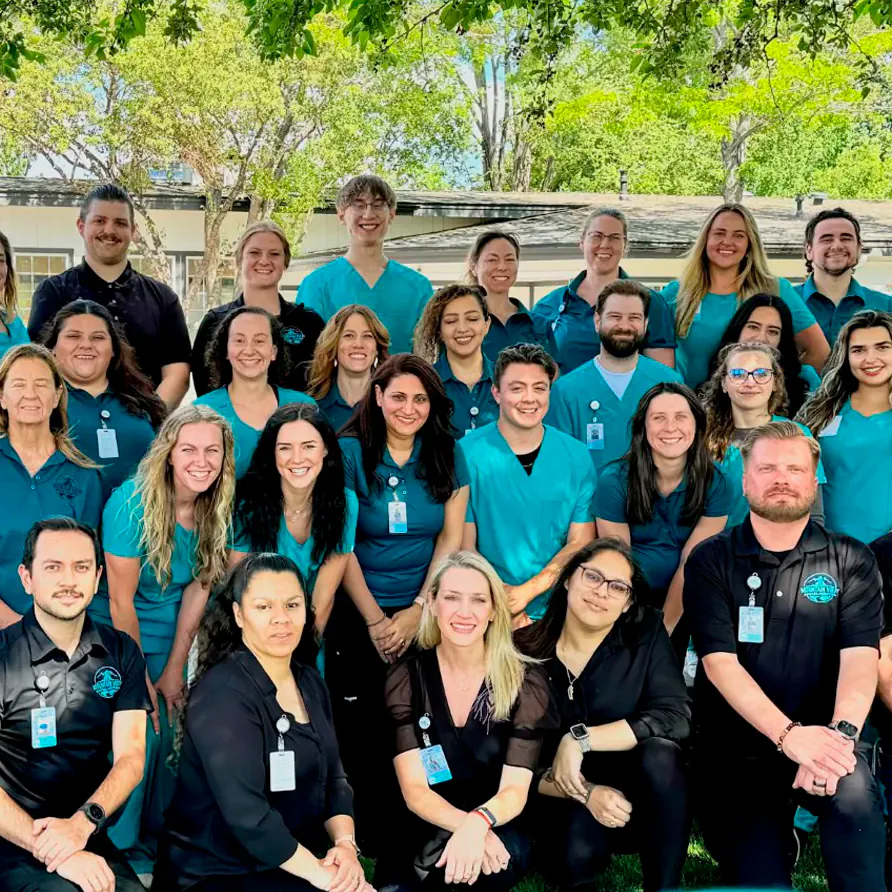
Our integrative approach combines conventional veterinary medicine with holistic therapies like acupuncture, therapy laser treatment, and Chinese herbal therapies. This comprehensive philosophy extends to advanced procedures like fecal microbiota transplant, where we carefully evaluate each patient to determine the best treatment strategy while minimizing risk factors.
We maintain rigorous safety protocols for all donor screening and fecal transplant material preparation. Our rigorously screened donor stool protocols ensure that potential donors meet the highest health standards before their stool is used for transplant purposes. Our commitment to excellence has earned us recognition as one of America’s Best Animal Hospitals. Contact our team to discuss whether fecal transplant therapy might benefit your companion and to understand the therapeutic use of this innovative treatment.
Fecal Transplant FAQs
Fecal Transplant FAQs