

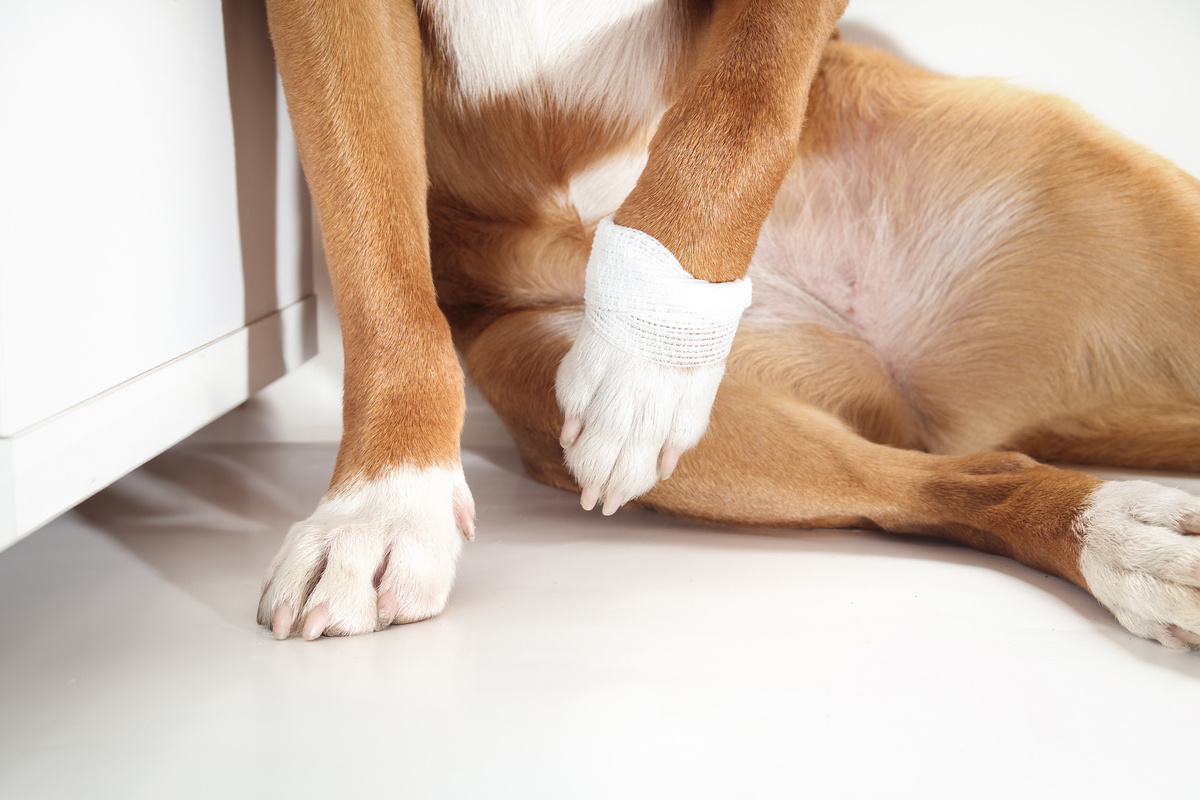
Your pet hobbles across the kitchen one morning, favoring their left hind leg, and you brace yourself for a costly vet visit. But by afternoon, they’re bounding through the backyard with no apparent discomfort. This pattern repeats over days or weeks: limping appears, disappears, then returns without obvious triggers. You might assume the problem resolved itself, but intermittent lameness actually signals underlying issues requiring professional evaluation, regardless of those symptom-free periods.
At Mountain View Animal Hospital & Holistic Pet Care, we evaluate on-and-off limping through comprehensive examinations combining traditional diagnostics with Holistic approaches. Our team understands intermittent symptoms often indicate progressive conditions where early intervention prevents more serious complications and preserves your pet’s long-term mobility.
Common Causes of Intermittent Limping
The sporadic nature of the lameness provides important diagnostic clues about what’s happening inside your pet’s body. Different conditions produce characteristic patterns of intermittent symptoms.
Early Arthritis and Joint Degeneration
Arthritis begins subtly, with inflammation flaring during certain activities or weather conditions. Your pet might limp after extended play sessions or first thing in the morning when joints have stiffened overnight. As the day progresses and they move around, the joints warm up and pain subsides. This creates the illusion that the problem comes and goes, when actually the underlying cartilage damage persists continuously.
Cold or damp weather exacerbates arthritic pain, causing more noticeable limping on certain days. You might observe a clear correlation between weather changes and symptom severity. These fluctuations don’t mean the arthritis is healing during good days. The joint damage remains constant while the inflammatory response varies.
Partial Ligament Tears
A partially torn ligament produces unstable joints that hurt under specific conditions. Your pet may walk comfortably on level ground but limp noticeably when turning sharply, climbing stairs, or rising from rest. The damaged ligament stretches and irritates surrounding tissues during these movements, causing pain that fades once your pet settles into less demanding activity.
Unlike complete tears that produce consistent lameness, partial tears allow periods of apparently normal function. This intermittent nature frequently delays diagnosis as owners wait to see if the problem resolves naturally. Meanwhile, the partial tear often progresses to complete rupture, requiring more extensive intervention.
Why the Pattern Matters More Than Individual Episodes
The tendency for symptoms to disappear creates false reassurance. Many pet owners adopt a wait-and-see approach, assuming temporary problems don’t warrant veterinary attention. However, the pattern itself serves as the critical diagnostic indicator.
Conditions producing intermittent lameness rarely resolve without treatment. Instead, they typically follow progressive courses with symptom-free intervals gradually shortening as damage accumulates. A dog showing occasional limping this month may develop constant discomfort within six months if the underlying cause remains unaddressed.
Early intervention during the intermittent phase provides significantly better outcomes than waiting until lameness becomes constant. Cartilage damage, ligament deterioration, and bone changes all progress more rapidly once they reach certain thresholds. Catching problems while they still produce only occasional symptoms allows for less invasive treatments and better preservation of joint function.
What Happens During Symptom-Free Periods
The absence of visible limping doesn’t indicate healing. During symptom-free periods, the underlying condition continues progressing even though your pet appears comfortable. Inflammation may temporarily decrease while structural damage persists. Torn ligaments don’t spontaneously repair during good days. Cartilage continues deteriorating, whether your pet currently shows pain or not.
Your pet may also adapt their movement patterns to protect injured areas. They shift weight to other legs, avoid certain activities, or change their gait in ways you might not consciously notice. These compensations mask symptoms while placing abnormal stress on other joints, potentially creating secondary problems.
Some pets have higher pain tolerances than others, showing discomfort only when inflammation reaches certain levels. Between flares, they tolerate existing damage without obvious complaints. This makes owner observation an unreliable gauge of actual joint health.
Diagnostic Approach for Intermittent Lameness
Evaluating sporadic symptoms requires systematic examination, even when your pet appears sound during the appointment. We perform comprehensive orthopedic assessments, checking the range of motion, joint stability, and pain responses throughout all limbs. Many conditions reveal themselves through subtle findings like mild joint thickening, slight instability, or discomfort during specific manipulations.
Diagnostic imaging captures changes invisible during physical examination. Radiographs show early bone changes, joint space narrowing, and calcification of soft tissues. Advanced imaging may reveal soft tissue damage before it produces visible lameness. These objective findings guide treatment decisions regardless of current symptom status.
Our Holistic services complement conventional diagnostics by assessing overall body mechanics and identifying compensatory patterns. Chiropractic orthopedic manipulation evaluations reveal subtle misalignments and muscle imbalances that contribute to intermittent lameness. This comprehensive approach addresses both the primary injury and secondary complications.
Treatment Options for Early Intervention
Catching problems during the intermittent phase allows for conservative treatments that may prevent progression to chronic conditions requiring more aggressive intervention. Weight management reduces stress on affected joints. Even modest weight loss produces measurable improvements in comfort and function.
Therapy laser photobiomodulation reduces inflammation and promotes healing in damaged tissues. Regular treatments during early disease stages can slow progression and extend periods between symptomatic episodes. Acupuncture provides pain relief while supporting the body’s natural healing processes.
Joint supplements and nutritional support strengthen cartilage and reduce inflammatory responses throughout the body. Starting these interventions early maximizes their protective effects. Chinese herbal therapies offer additional options for managing inflammation and supporting tissue health through natural compounds.
Physical therapy and controlled exercise programs build muscle strength, supporting unstable joints. These approaches work best when initiated before significant joint damage occurs. We develop customized activity plans, maintaining your pet’s fitness while protecting vulnerable areas. Our approach to senior pet care incorporates these strategies to preserve mobility throughout your pet’s life.
Get a Thorough Evaluation at Mountain View Animal Hospital & Holistic Pet Care
Intermittent lameness deserves the same attention as constant symptoms. The sporadic nature indicates developing problems where early treatment produces the best outcomes. Our team at this AAHA-accredited hospital combines comprehensive examinations with integrative treatment approaches addressing both immediate comfort and long-term joint health.
We provide the diagnostic tools and treatment options needed to identify underlying causes and implement effective interventions before problems progress to chronic conditions. Whether your pet shows occasional limping or patterns of recurrent lameness, we create individualized plans based on thorough evaluation and your pet’s specific needs. Learn more about how we can help through our contact form.



Leave A Comment