

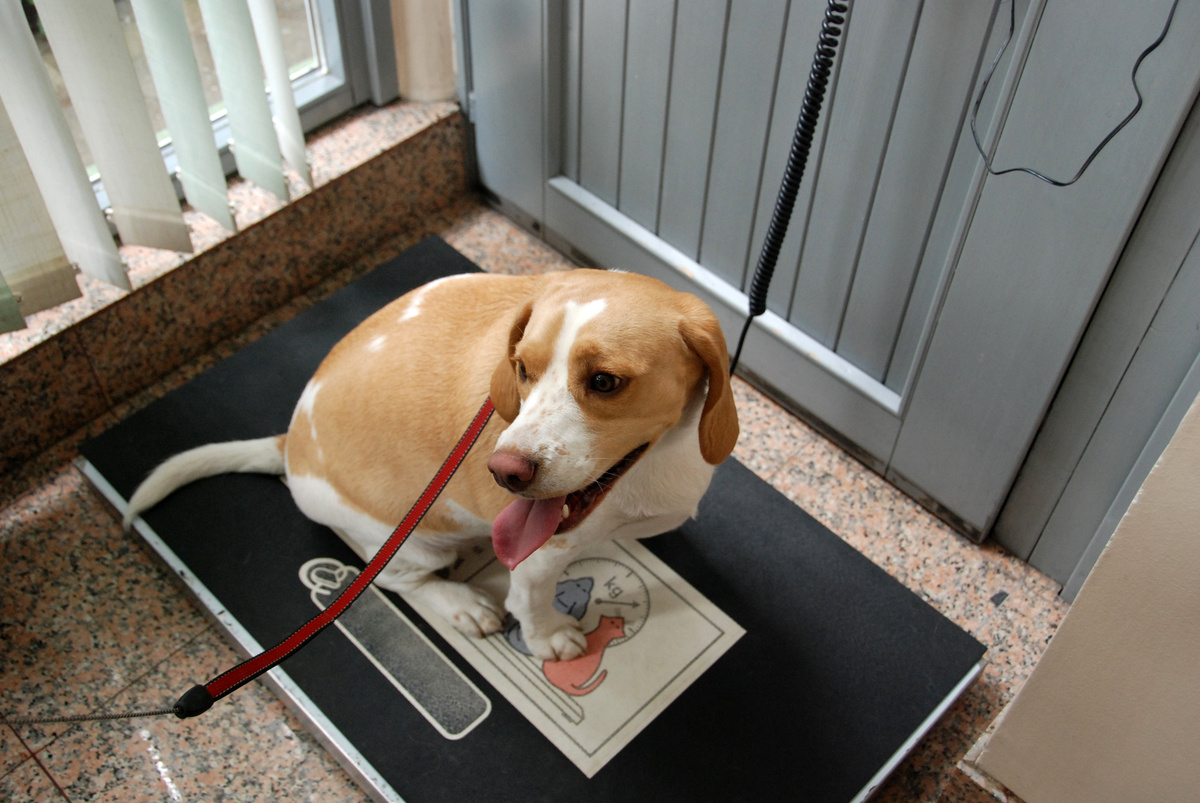
Excess weight creates a cascade of physical stress on your pet’s body, with joints bearing the heaviest burden. Every extra pound multiplies the force pressing down on hips, knees, and elbows when your pet walks, runs, or simply stands. This constant strain accelerates cartilage breakdown, triggers inflammation, and sets the stage for arthritis years earlier than it would otherwise develop.
At Mountain View Animal Hospital & Holistic Pet Care, we address weight-related joint problems through an integrative approach combining nutrition counseling, pain management, and therapeutic modalities. Our team understands the interconnected nature of your pet’s health and creates customized plans to reduce weight while protecting joint function.
How Obesity Damages Joints
The relationship between weight and joint health operates through multiple mechanisms, each compounding the others to create progressive damage.
Mechanical Stress and Cartilage Breakdown
Weight creates a direct mechanical force on joint surfaces. When your pet carries extra pounds, this force intensifies with every movement. Walking across the room, climbing stairs, or jumping onto furniture all generate impact that healthy joints can absorb. Overweight pets subject their joints to forces exceeding their design capacity, causing microscopic damage to cartilage with each step.
Cartilage lacks blood vessels and heals slowly. The cumulative effect of repeated stress outpaces the body’s repair mechanisms. Over time, this protective cushion between bones wears thin, exposing the underlying bone and creating the grinding friction characteristic of arthritis.
Inflammatory Response
Fat tissue functions as an active endocrine organ, producing inflammatory compounds throughout the body. These molecules travel through the bloodstream and settle in joint spaces, where they trigger chronic inflammation. This inflammation damages cartilage, irritates surrounding tissues, and creates the pain and stiffness you notice when your pet struggles to move.
The inflammatory process becomes self-perpetuating. Damaged cartilage releases fragments into the joint space, provoking additional immune responses. Meanwhile, ongoing inflammation impairs the body’s ability to repair damaged tissues, accelerating the progression toward advanced arthritis.
Specific Joints Most Affected by Excess Weight
While obesity stresses all joints, certain areas face disproportionate risk due to their role in supporting body weight and facilitating movement. Understanding which joints suffer most helps prioritize protective measures and treatment strategies.
Hips and knees carry the majority of your pet’s weight during standing and walking. These weight-bearing joints develop arthritis more rapidly in overweight pets, with visible changes often appearing years earlier than in pets maintaining a healthy weight. Elbows face similar stress, particularly in canines who place significant pressure on front limbs when rising from a lying position. Feline patients often show ankle and wrist joint deterioration, as cats naturally place more weight on their front legs during movement and landing from jumps.
The spine also suffers under excess weight. Extra pounds strain the vertebral joints and intervertebral discs, increasing the risk of herniation and compression injuries. This creates not only back pain but also potential neurological complications if disc material presses against the spinal cord.
Prevention Through Weight Management
Preventing obesity proves far easier than reversing established joint disease. Early intervention protects your pet from years of discomfort and preserves their mobility into their senior years.
Proper portion control forms the foundation of weight management. Many pet owners inadvertently overfeed by following package guidelines designed for active animals or by providing frequent treats without adjusting meal sizes accordingly. We help calculate appropriate daily caloric intake based on your pet’s current weight, activity level, and weight loss goals.
Exercise supports weight loss while strengthening the muscles that stabilize joints. Starting slowly and gradually increasing activity prevents injury while building endurance. Low-impact activities like swimming or controlled leash walking work well for pets already showing joint discomfort. Our senior pet care approach incorporates movement strategies appropriate for pets at every life stage.
Holistic services such as acupuncture and veterinary orthopedic manipulation (VOM) complement weight loss efforts by managing pain and improving mobility. These therapies make exercise more comfortable, encouraging continued activity and supporting the weight management process.
Treatment Options for Weight-Related Joint Disease
Once joint damage develops, comprehensive treatment addresses both the underlying weight issue and the joint deterioration itself. Success requires patience and commitment to long-term management strategies.
Weight reduction remains the single most effective intervention for protecting joints and slowing arthritis progression. Even modest weight loss of 10-15% produces measurable improvements in mobility and comfort. We develop realistic weight loss plans tailored to your pet’s specific needs, monitoring progress and adjusting strategies to ensure steady, healthy reduction.
Pain management allows your pet to remain active during weight loss. Therapy laser photobiomodulation reduces inflammation and promotes healing in damaged joints. Platelet-rich plasma therapy harnesses your pet’s own healing factors to regenerate cartilage and reduce pain. These treatments work alongside weight management to improve your pet’s quality of life.
Nutritional support goes beyond simple calorie restriction. Certain nutrients support joint health and reduce inflammation throughout the body. Omega-3 fatty acids, glucosamine, and chondroitin may be incorporated into your pet’s diet to support cartilage health. Chinese herbal therapies offer additional options for managing inflammation and supporting tissue repair.
Get Support at Mountain View Animal Hospital & Holistic Pet Care
Managing your pet’s weight and protecting their joints requires comprehensive care and ongoing support. Our team at this AAHA-accredited hospital combines conventional veterinary medicine with Holistic therapies to address both weight management and joint health. We provide the diagnostic tools, treatment options, and guidance you need to help your pet maintain a healthy weight and preserve their mobility throughout their life.
Whether your pet already shows signs of joint problems or you want to prevent future issues through proactive weight management, we create individualized plans based on your pet’s unique needs and your family’s lifestyle. Learn more about how our integrative approach can benefit your pet through our contact form.



Leave A Comment