

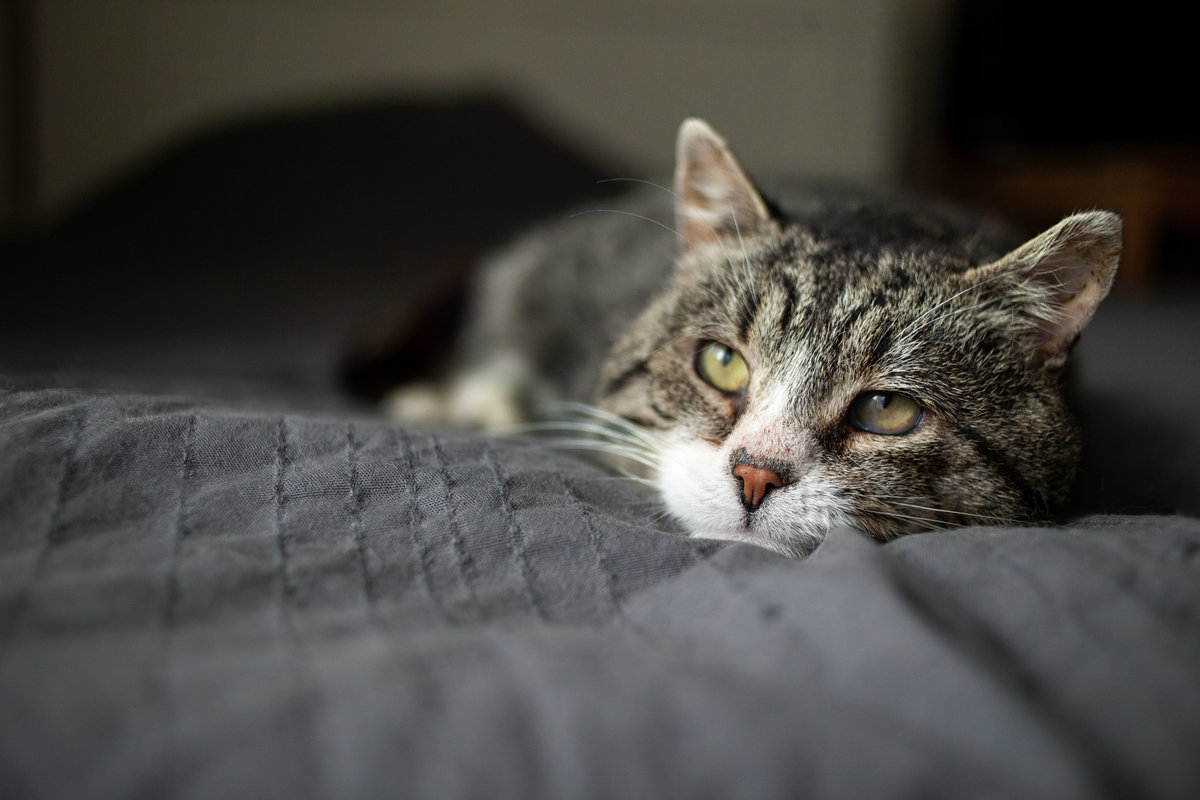
Your feline companion has slipped away to a corner under the bed, and something feels off. Hiding is a natural behavior for felines, but when it happens alongside changes in eating, energy, or mood, it may be their quiet way of telling you they need help. Felines are remarkably skilled at masking discomfort, a survival instinct passed down from their wild ancestors who could not afford to appear weak in front of predators. Understanding why they hide and what to watch for can make all the difference in catching a health concern early.
At Mountain View Animal Hospital & Holistic Pet Care in Reno, Nevada, our team works with feline patients every day and understands how easy it is to miss subtle signs of illness. Our veterinary services blend conventional and holistic approaches to care, giving you and your feline companion access to a full spectrum of treatment options. Whether something feels slightly off or you are noticing a clear change in behavior, we are here to help you navigate it with compassion and thoroughness.
The Instinct Behind the Hiding
Felines are wired to conceal vulnerability, and that wiring does not disappear just because they live in a warm home with a loving family. In the wild, a sick or injured feline was easy prey, so concealing illness became a deeply ingrained survival mechanism. Your indoor feline may not face predators, but that ancient drive to hide weakness remains intact.
This instinct also means that by the time a feline begins showing obvious symptoms, the underlying condition may already be progressing. According to the American Association of Feline Practitioners, felines are masters at hiding what is wrong with them, and catching disease early through regular diagnostic testing can make a world of difference for both the feline and their caregiver. This is one reason routine wellness visits and preventive care play such an important role in feline health.
Common Reasons Felines Hide When Ill
There are several health-related reasons a feline may retreat more than usual. Knowing what those reasons look like can help you respond appropriately.
Pain or Physical Discomfort
Felines experiencing pain, whether from arthritis, dental issues, gastrointestinal trouble, or internal discomfort, tend to seek out quiet, dark, enclosed spaces. They are not trying to worry you. They are simply following their natural response to feeling unwell. Since felines have a high pain tolerance, their retreat may be the clearest signal you receive that something is wrong.
Illness-Related Fatigue
When the body is fighting an infection, managing organ stress, or processing an illness, it needs rest. Felines instinctively withdraw to conserve energy. If your feline is hiding more and sleeping longer than usual, particularly without their typical interest in food, play, or interaction, that shift in behavior deserves attention.
Stress and Environmental Changes
Not all hiding is rooted in physical illness. New pets, household changes, or disruptions in routine can push a feline into seclusion as a coping mechanism. However, stress-driven hiding that continues for more than a day or two, or that is paired with other symptoms, warrants a veterinary conversation. Prolonged stress can itself contribute to illness over time.
Signs That Hiding Has Become a Health Concern
Hiding alone is not always cause for alarm. However, the following signs alongside hiding suggest it is time to reach out to a veterinarian. These behaviors can point to a range of conditions, from digestive trouble to kidney disease to respiratory illness.
Watch for these signals when your feline is hiding:
- Changes in appetite: Eating significantly less or refusing food altogether for more than 24 hours
- Altered litter box habits: Going more or less frequently, straining, or avoiding the litter box entirely
- Reduced grooming: A dull, matted, or unkempt coat can indicate your feline is not feeling well
- Increased vocalization: Unusual crying or howling while hiding may signal pain or distress
- Labored breathing: Any difficulty breathing is always worth an immediate call to your veterinarian
These are not the only warning signs, but they are among the most telling. If your feline is showing any combination of these alongside hiding, trust your instincts and seek care.
How Holistic and Conventional Care Work Together
When a feline is not feeling well, getting to the root of the issue often requires looking at the whole picture. Our holistic services include acupuncture, laser therapy, herbal therapies, and more, which can complement conventional diagnostics and treatment to support your feline’s recovery and overall wellbeing. Pairing these approaches with routine wellness and preventive care gives your feline the best chance at a long, healthy life.
Trust Your Gut and Trust Your Team at Mountain View Animal Hospital & Holistic Pet Care
You know your feline better than anyone. If their hiding feels different than their usual afternoon nap routine, it probably is. Our dedicated team has years of experience helping feline patients and their families navigate health concerns of all sizes, and we are proud to be one of the fewer than 15% of animal hospitals with AAHA accreditation. You can also learn more about our story and the values that guide everything we do.
When your feline companion is not acting like themselves, do not wait and wonder. Reach out through our contact form to request an appointment, and let us help you get to the bottom of what your feline is trying to tell you.



Leave A Comment