
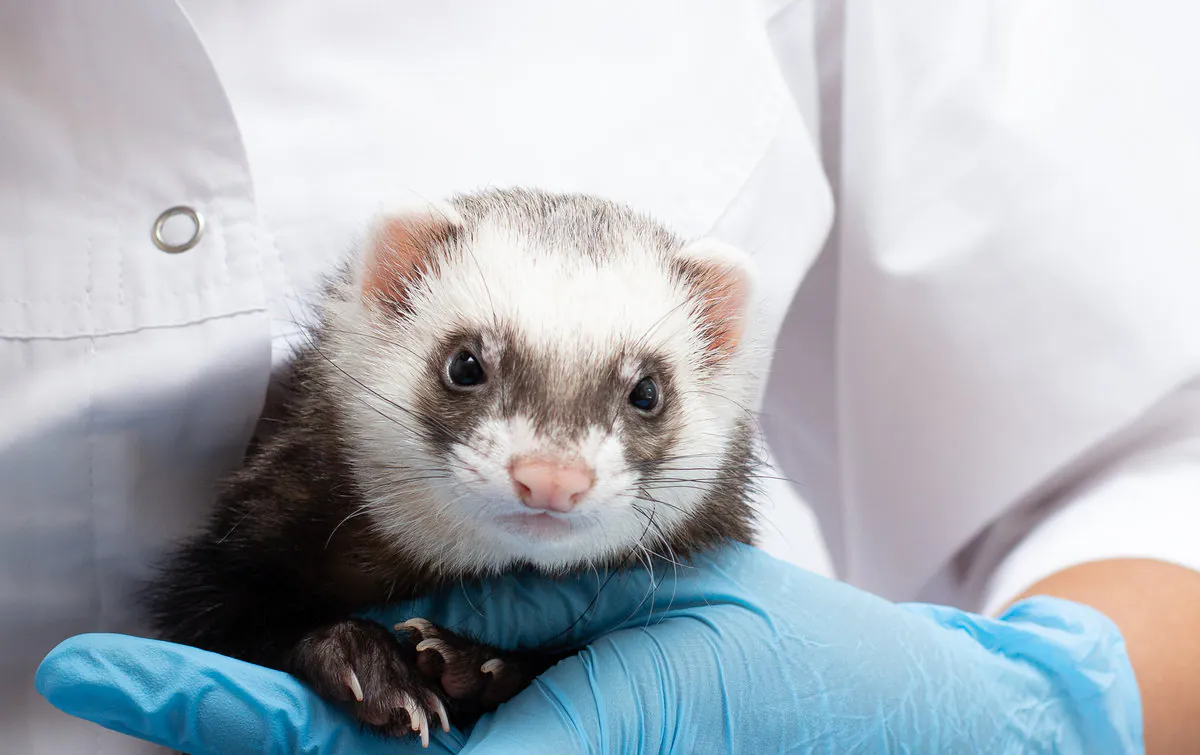
Ferret hair loss can be alarming, but it is not always a sign of something serious. That said, it is one of the most common reasons ferret owners seek veterinary care, and in many cases, it does signal an underlying health condition that deserves attention. Understanding what is normal versus what is not can help you make a more informed decision about your pet’s next steps.
At Mountain View Animal Hospital & Holistic Pet Care in Reno, Nevada, our team has experience caring for ferrets and other exotic animals. Through our exotic animal veterinary care, we help owners get to the bottom of health changes like hair loss, so their ferret can get back to living a happy, curious, full life. If you have noticed thinning fur or bald patches on your ferret, here is what you need to know.
 When Hair Loss Is Normal
 When Hair Loss Is Normal
Not every instance of hair loss signals a problem. Ferrets, like many animals, go through natural coat changes throughout the year.
Seasonal shedding typically happens twice a year, in the spring and fall, as ferrets transition between their summer and winter coats. During these periods, you may notice more fur on their bedding or in your hands when you pick them up. The fur that remains should look healthy, and your ferret should act like their usual self.
Signs That Shedding Is Seasonal
Here is how to tell the difference between normal shedding and something worth a closer look:
- Hair loss is gradual and uniform, not patchy or concentrated in one area
- The skin beneath the fur appears healthy and unirritated
- Your ferret’s behavior, appetite, and energy remain normal
- New coat growth follows within a few weeks
If the shedding seems disproportionate or asymmetrical, or if your ferret seems itchy or lethargic, it is a good idea to schedule a visit with a veterinarian familiar with ferret health.
The Most Common Medical Cause: Adrenal Gland Disease
The most frequent medical reason for ferret hair loss is adrenal gland disease, a condition in which the adrenal glands produce excess sex hormones. According to MSPCA-Angell, adrenal disease is one of the most commonly diagnosed conditions in domestic ferrets, and spaying or neutering is believed to play a significant role in its development by disrupting the normal hormonal feedback mechanism.
Hair loss from adrenal disease typically starts at the base of the tail and progresses up the back. It is often symmetrical and may be accompanied by other changes, including muscle wasting, increased aggression, or vulvar swelling in female ferrets. Because the hormonal imbalance involved can worsen over time, early detection genuinely matters. The sooner a ferret is evaluated, the more options are available to help manage their condition.
Other Medical Causes to Know
While adrenal disease is the most common culprit, it is not the only one. A few other conditions can cause hair loss in ferrets.
Mange, caused by mites, can lead to patchy or widespread hair loss and is often accompanied by intense itching. Ringworm, a fungal infection, may cause circular bald patches. Nutritional deficiencies or poor diet quality can also contribute to a dull, thinning coat over time. Several conditions can present similarly, so a veterinary examination is the most reliable way to identify what is actually going on. Our specialty pet care team takes a thorough, whole-body approach to evaluating your ferret, helping us find the right answers more efficiently.
What to Expect at the Vet
When you bring your ferret in for hair loss, your veterinarian will begin with a full physical examination. They will assess the pattern and location of the hair loss, evaluate the skin, and ask about your ferret’s age, diet, and recent behavior changes.
From there, diagnostics may include bloodwork, hormone testing, or imaging, depending on the initial exam. Our wellness and preventative care philosophy means we look at the full picture, not just the symptom in front of us. You and our veterinary team will work together to understand your ferret’s health and decide on the next steps that feel right for your family.
Trust Mountain View Animal Hospital & Holistic Pet Care With Your Ferret’s Health
Hair loss in ferrets is not something to brush aside, but it is also not a reason to panic. With the right care team, most ferrets with underlying health conditions can be managed comfortably and go on to thrive. At Mountain View Animal Hospital & Holistic Pet Care, we combine traditional veterinary medicine with a compassionate, integrative approach to deliver thorough, personalized care for exotic pets. As an AAHA-accredited hospital, we are held to the highest standards in veterinary medicine, and our accreditation and awards reflect our commitment to that level of care. Our team genuinely loves what they do, and that shows in every appointment.
If your ferret is experiencing hair loss, we would love to help. Reach out to us to schedule an appointment and let us know what you have been noticing.


Leave A Comment