

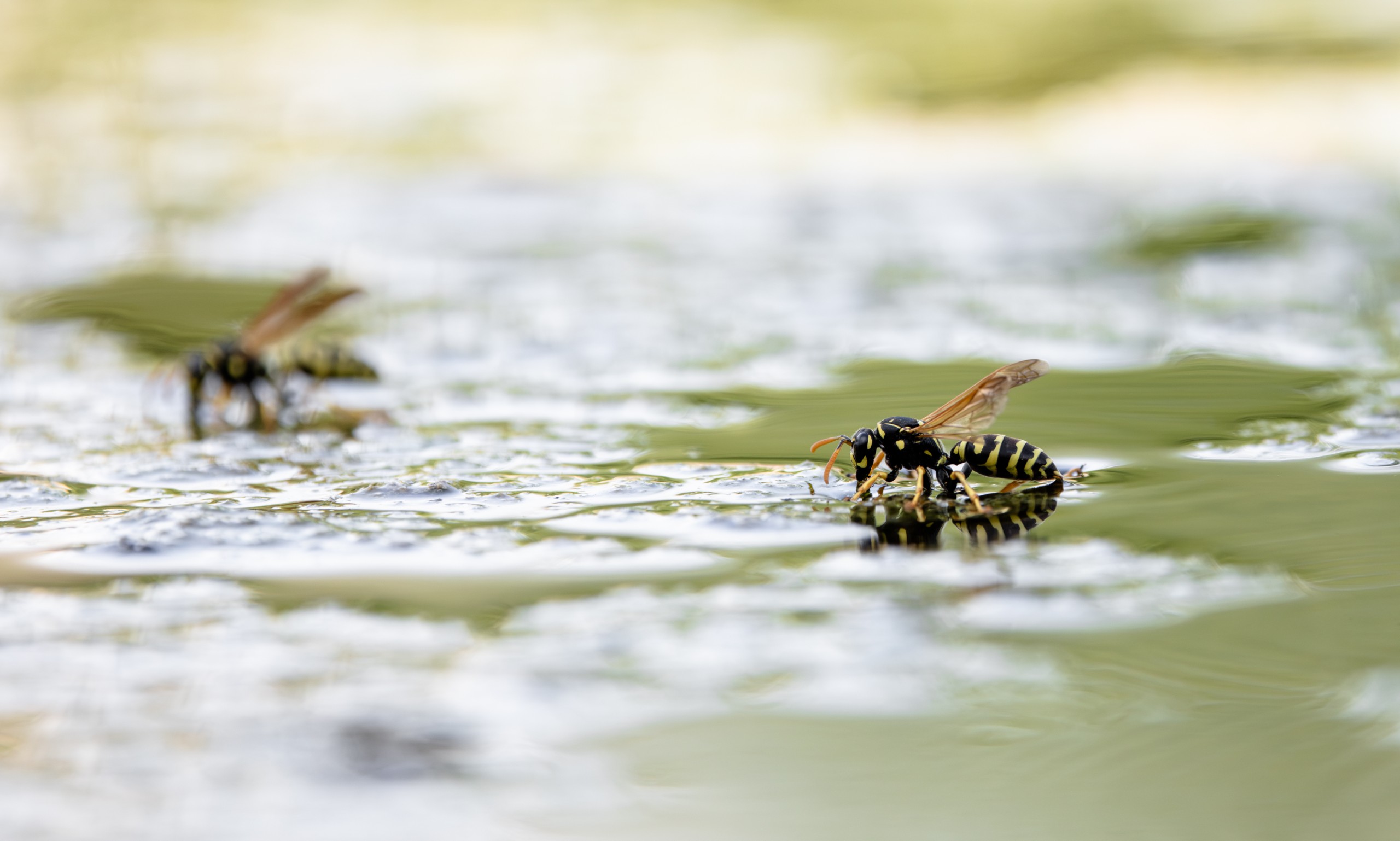
Summer afternoons bring buzzing visitors to backyards, trails, and gardens, and a curious nose or paw is often the first thing to find them. If your pet gets stung, staying calm and knowing what to watch for makes all the difference in the hours that follow.
At Mountain View Animal Hospital & Holistic Pet Care, we help pet owners throughout the Reno area understand exactly what a bee or wasp sting means for their dog or cat and when a quick check-in with us is the right call. We combine attentive, fear-free exams with an integrative approach to give your pet’s recovery the best possible start.
What Happens When a Pet Is Stung
Dogs and cats are naturally curious, and that curiosity sometimes leads them straight into the path of a bee or wasp. A sting most often lands on the face, nose, or paw since these are the areas pets use to investigate a buzzing insect up close. The venom injected during a sting can cause localized pain, redness, and swelling that typically peaks within the first hour or two.
Most pets tolerate a single sting without serious trouble, though the area may stay tender for a day or so afterward. Cats can be harder to read than dogs since they often mask discomfort, so a subtle limp, excessive grooming of one spot, or a swollen patch of fur may be the only clues something happened. According to the Virginia-Maryland College of Veterinary Medicine, an allergic reaction occurs when a pet’s immune system overreacts to a substance that is typically harmless, and insect venom is one of the more common triggers seen in dogs and cats.
Signs of a Mild Reaction
A typical sting reaction stays contained to one small area and settles down within a day or two. You will usually notice:
- Swelling: A raised, puffy bump right at the sting site, most common on the face or a paw
- Redness: Pink or reddened skin surrounding the area where the sting occurred
- Mild discomfort: Pawing at the face, licking a paw, or general fussiness around the affected spot
- Itching: Light scratching or rubbing against furniture as the area heals
These symptoms generally fade within 24 to 48 hours as the swelling goes down on its own. Keeping an eye on your pet during this window helps you catch it early if things start to look different than a routine sting.
When a Sting Becomes More Serious
Stings near the mouth, throat, or nose deserve extra attention because swelling in these areas can affect breathing even when the sting itself seems minor. Multiple stings at once, whether from disturbing a nest or an unlucky encounter with several wasps, also raise the chances of a stronger reaction since more venom enters the body.
Watch closely for facial swelling that spreads beyond the immediate sting site, difficulty breathing or unusually noisy breathing, vomiting, weakness, or your pet suddenly seeming disoriented. If you notice any of these signs, please contact our urgent care team right away so we can get your pet seen as quickly as possible.
Pale gums and collapse are signs that your pet’s body is struggling to cope with the reaction. This is an emergency, not something to wait on. If you see either of these, please seek emergency veterinary care immediately.
How We Approach Sting Care
When you bring your pet to see us after a sting, our team starts with a calm, fear-free exam to assess the site and check for signs of a broader reaction. We look closely at breathing, gum color, and how your pet is moving to make sure nothing beyond the visible swelling needs attention.
For pets who experience recurring sensitivities or slow healing after minor injuries, our holistic services can support your pet’s comfort alongside traditional care. We take a joint decision-making approach with every pet owner, walking you through what we see and what we recommend so you always understand the plan for your pet.
Helping Your Pet Avoid Stings
While you cannot control every buzzing insect your pet encounters, a few habits can lower the odds of a sting turning into an unpleasant afternoon. Keeping outdoor spaces free of fallen fruit and standing water reduces the insects drawn to these areas.
Supervising your pet closely around flower beds, garden hoses, and areas where insects tend to gather gives you a chance to redirect their curiosity before an investigation turns into a sting.
When to Reach Out to Mountain View Animal Hospital & Holistic Pet Care
A single sting with mild swelling rarely requires a visit, but any signs of facial swelling that spreads, breathing changes, or general weakness warrant a call to our team right away. We would rather you reach out with a question than wait and wonder whether your pet’s reaction is serious.
Our team is here to help you sort through what you are seeing and get your pet checked out quickly if needed. If you have any concerns after a sting, please contact us, and we will help you figure out the best next step for your pet.
YOUR PET DESERVES THE BEST CARE
We're Here When You Need Us
At Mountain View Animal Hospital & Holistic Pet Care, our AAHA-accredited team is ready to support your pet's health with advanced diagnostics and integrative, holistic therapies — tailored to their unique needs.
Schedule an Appointment TodayWhat Our Clients Are Saying
Real reviews from real pet owners in the Reno community


Leave A Comment