

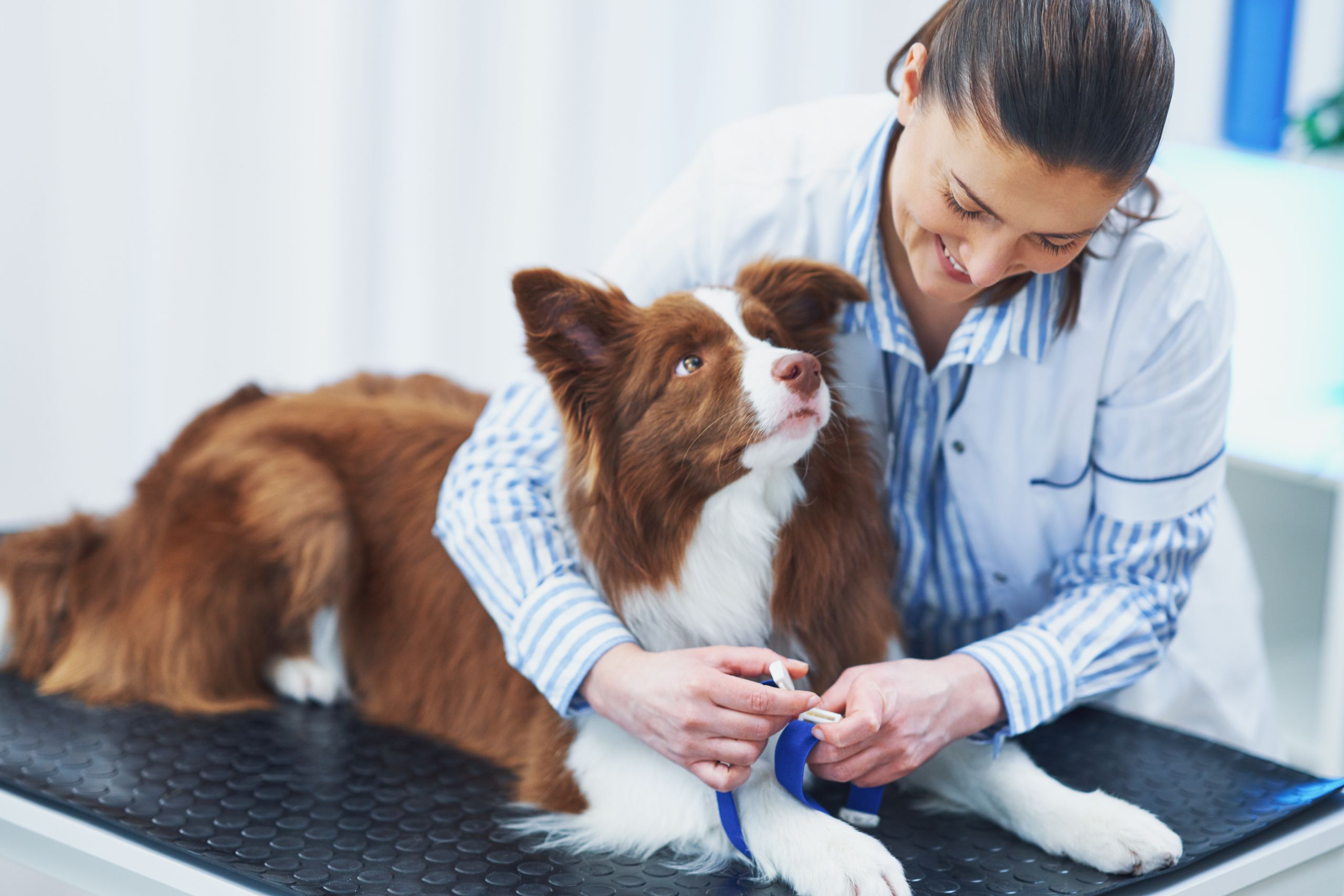
A routine blood panel gives your veterinarian a detailed look at how your pet’s body is functioning on the inside, often revealing changes long before any visible symptoms appear. From organ function and hydration levels to signs of infection or inflammation, blood work provides information a physical exam alone cannot capture. For both dogs and felines, routine screening is one of the most valuable tools available for catching health concerns early.
At Mountain View Animal Hospital & Holistic Pet Care, routine blood work is a key part of how we approach wellness and preventative care. As an AAHA-accredited hospital, we believe in looking at the full picture of your pet’s health, and a blood panel is often the clearest window into what is happening beneath the surface.
What Does a Routine Blood Panel Include?
A standard blood panel for dogs and felines typically involves two main tests, each measuring different aspects of your pet’s health. Together, they give us a comprehensive snapshot of how your pet’s body is performing.
Complete Blood Count
A complete blood count, commonly referred to as a CBC, evaluates the cells circulating in your pet’s bloodstream. This includes red blood cells, white blood cells, and platelets. Red blood cell levels can indicate whether your pet is well-hydrated or may be dealing with anemia. White blood cell counts help identify signs of infection, inflammation, or immune system activity. Platelet levels reflect your pet’s ability to form clots and heal properly.
Blood Chemistry Panel
A blood chemistry panel focuses on organ function and metabolic health. According to the American Animal Hospital Association (AAHA), this test measures enzymes and values related to the liver, kidneys, pancreas, and other systems. Elevated liver enzymes, for example, may signal inflammation or damage, while changes in kidney values could point to early kidney disease. Glucose, protein, and electrolyte levels round out the picture, giving your veterinarian a sense of your pet’s overall metabolic balance.
Urine and Fecal Analysis
Urinalysis and fecal analysis are often collected during the same visit as routine blood work to round out a complete wellness picture. A urinalysis checks how well your pet’s kidneys and urinary tract are functioning, and it can catch changes, such as early kidney disease or a urinary tract infection, sometimes before those changes even show up on bloodwork.
A fecal analysis screens for intestinal parasites, some of which are not visible to the naked eye and can affect your pet’s digestion even when they seem to be acting normal. Running these tests alongside a CBC and chemistry panel gives us a fuller view of your pet’s health rather than relying on blood values alone.
Why Blood Work Matters for Healthy Pets
One of the most important reasons to include blood work in your pet’s routine care is establishing baseline values. When your veterinarian has a record of what your pet’s normal levels look like, even small shifts over time become easier to spot. This is particularly useful because dogs and felines are naturally inclined to mask discomfort and illness, sometimes until a condition has progressed significantly.
Routine screening can uncover early signs of conditions like kidney disease, diabetes, thyroid imbalances, and liver problems. Many of these conditions are more manageable when identified early, before they begin affecting your pet’s daily quality of life. If your pet is managing a chronic illness, ongoing blood work also helps your veterinarian monitor how well a current care plan is working and adjust as needed.
When Should Your Pet Have Blood Work Done?
The frequency of blood work depends on your pet’s age, health status, and lifestyle. Your veterinarian can recommend a schedule tailored to your pet, but there are several common situations where blood work is especially helpful:
- First veterinary visit: Establishing baseline values early gives your veterinarian a reference point for years to come, which is why we recommend blood work as part of your pet’s first visit.
- Annual or biannual wellness exams: As a standard part of routine preventative care.
- Before procedures requiring anesthesia: Such as a dental cleaning or surgery, to confirm your pet can safely undergo sedation.
- Long-term medication monitoring: To check how your pet’s body is responding to ongoing treatment.
- Senior years: Screening may be recommended more frequently to catch age-related changes, making it an important part of senior pet care.
Each of these situations provides an opportunity for your veterinarian to evaluate your pet’s internal health and make informed recommendations moving forward.
Stay Ahead of What You Cannot See with Mountain View Animal Hospital & Holistic Pet Care
A routine blood panel takes minutes but can reveal changes in your pet’s organ function, hydration, and immune health long before symptoms show up. At Mountain View Animal Hospital & Holistic Pet Care, our Fear-Free team makes the blood draw process as comfortable as possible, and we walk you through every result, so you leave the visit knowing exactly where your pet stands and what, if anything, to watch for next.
If your pet is due for a wellness visit or you have questions about what routine blood work involves, we are here to help. Contact us today to schedule an appointment and start building a clearer picture of your pet’s health.
YOUR PET DESERVES THE BEST CARE
We're Here When You Need Us
At Mountain View Animal Hospital & Holistic Pet Care, our AAHA-accredited team is ready to support your pet's health with advanced diagnostics and integrative, holistic therapies — tailored to their unique needs.
Schedule an Appointment TodayWhat Our Clients Are Saying
Real reviews from real pet owners in the Reno community



Leave A Comment